Thank you for visiting the Aull Nature Preserve Blog! We update it regularly with posts about the progress of restoring this beautiful preserve and seasonal nature sightings. May you find inspiration and joy as you read our blog posts!
2026 has begun!
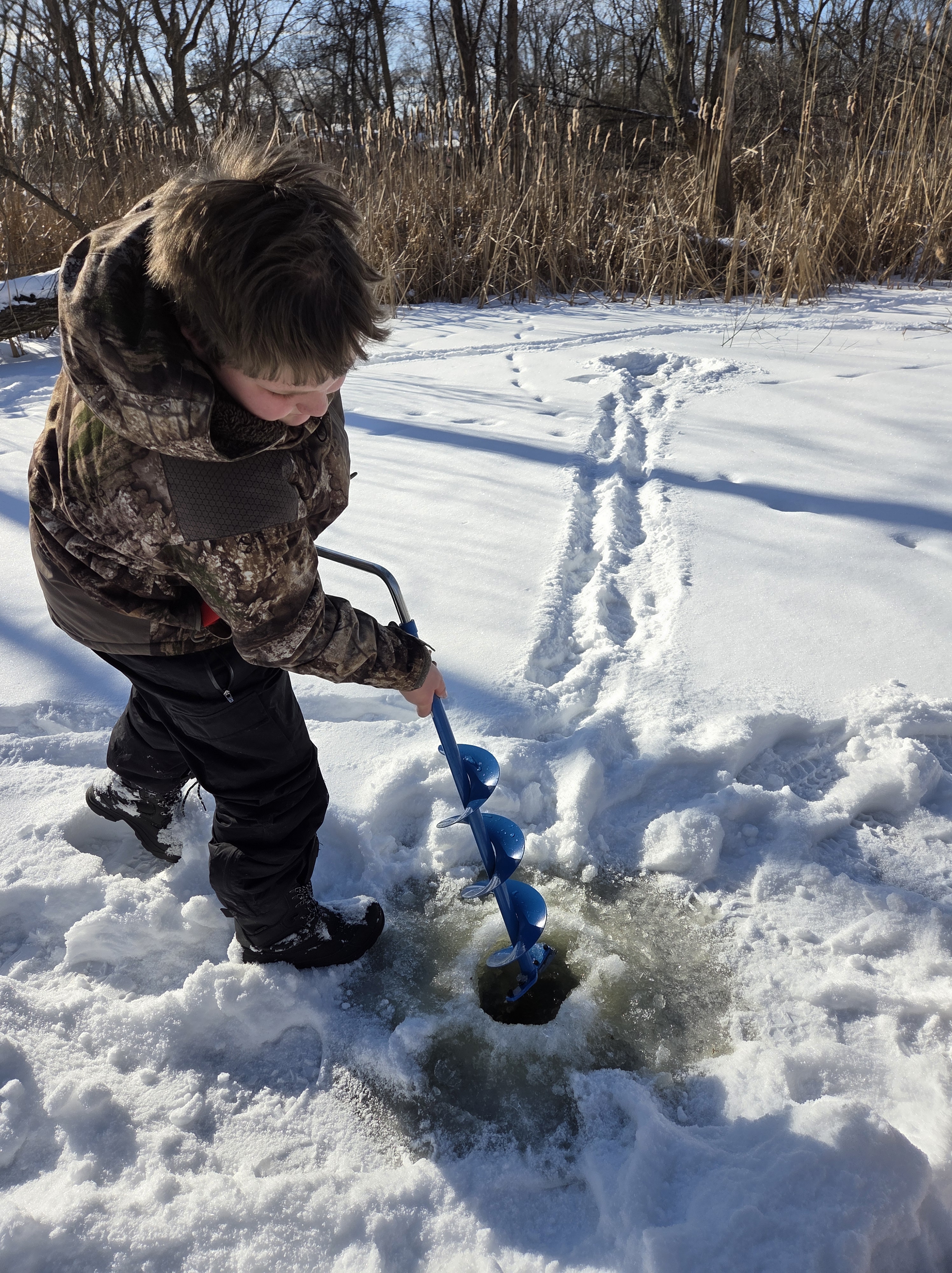
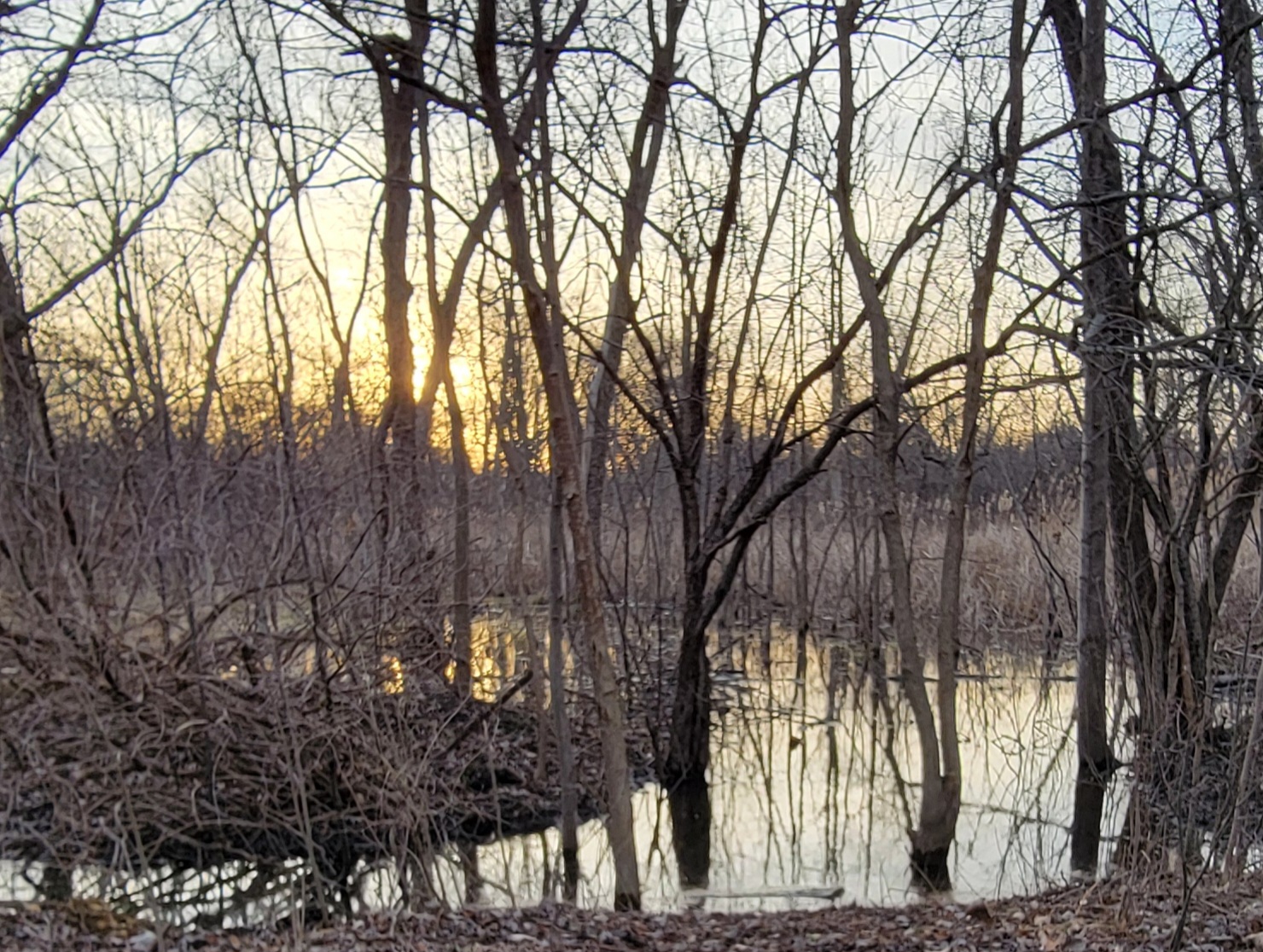
We began the year by measuring the depth of the pond, an event that was documented on video (YouTube). The pond is deeper than anticipated, at approximately five feet.
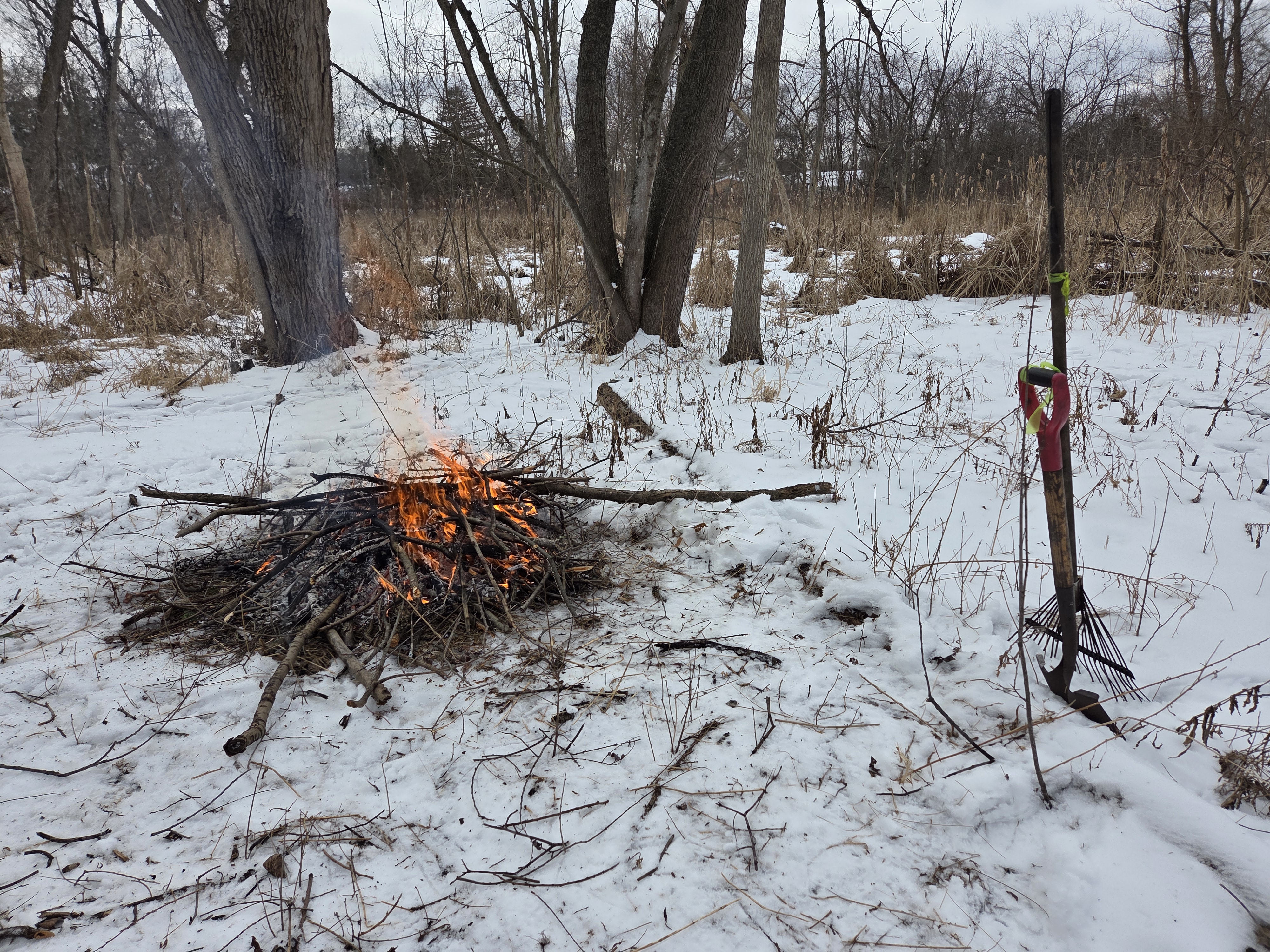
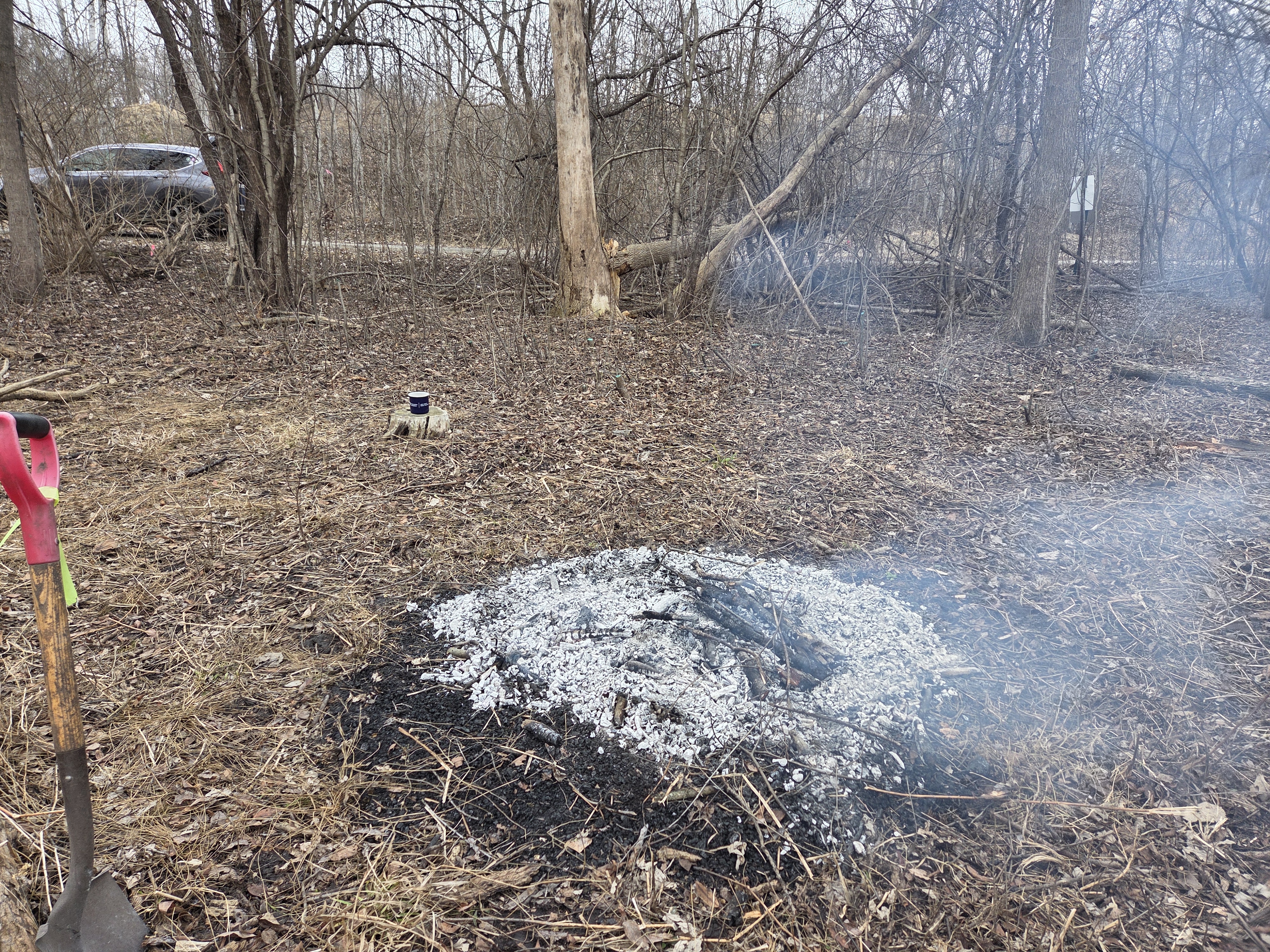
We appreciate the dedicated volunteers who participated in our workdays to cut, treat, and burn buckthorn.
The ongoing restoration efforts are yielding positive results: the wetland is effectively capturing rainfall, chorus frogs have resumed their calls, and turtles are basking in the warmth of the sun.
We’re looking forward to observing how the ANP habitat evolves this year!
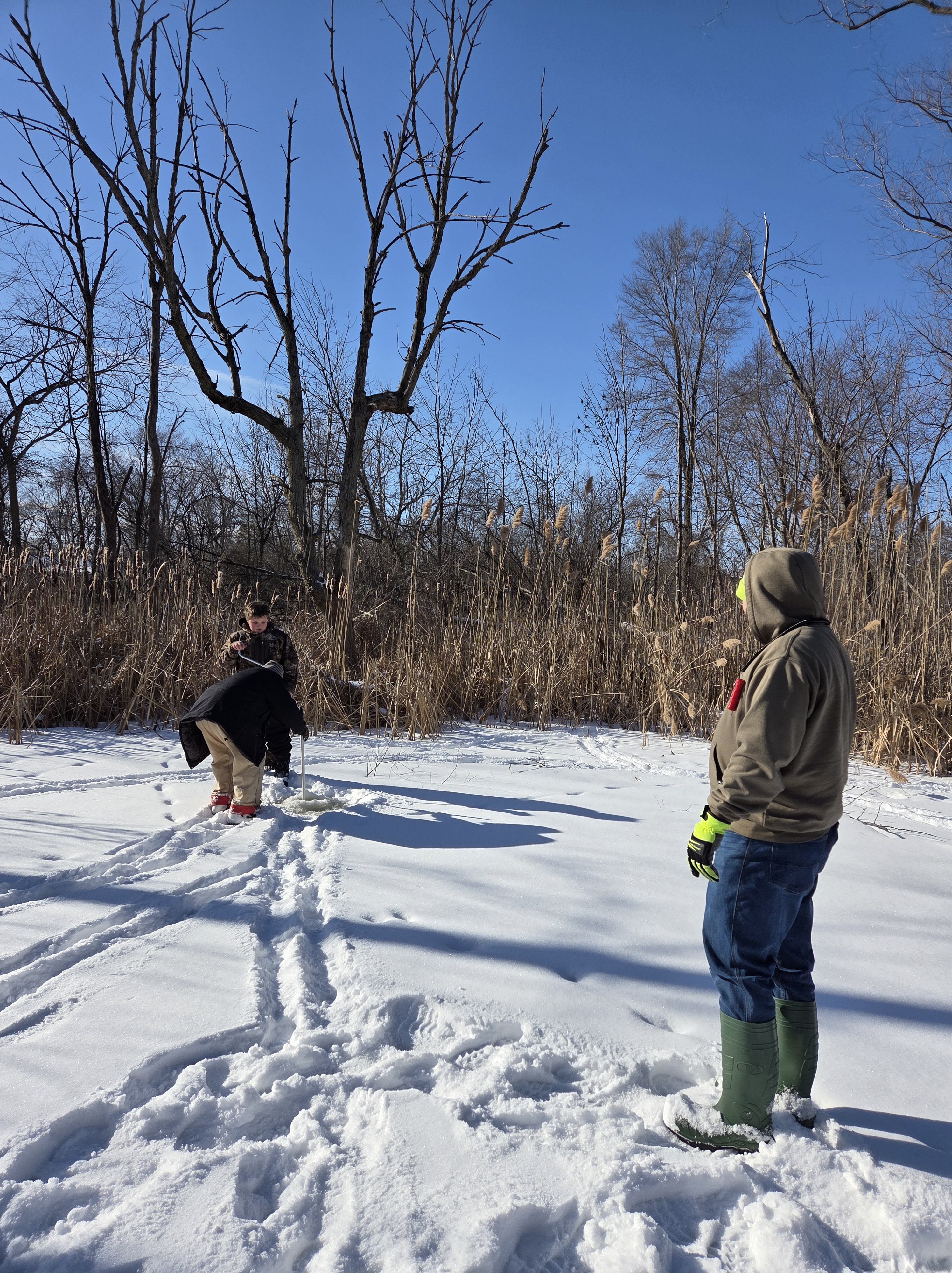
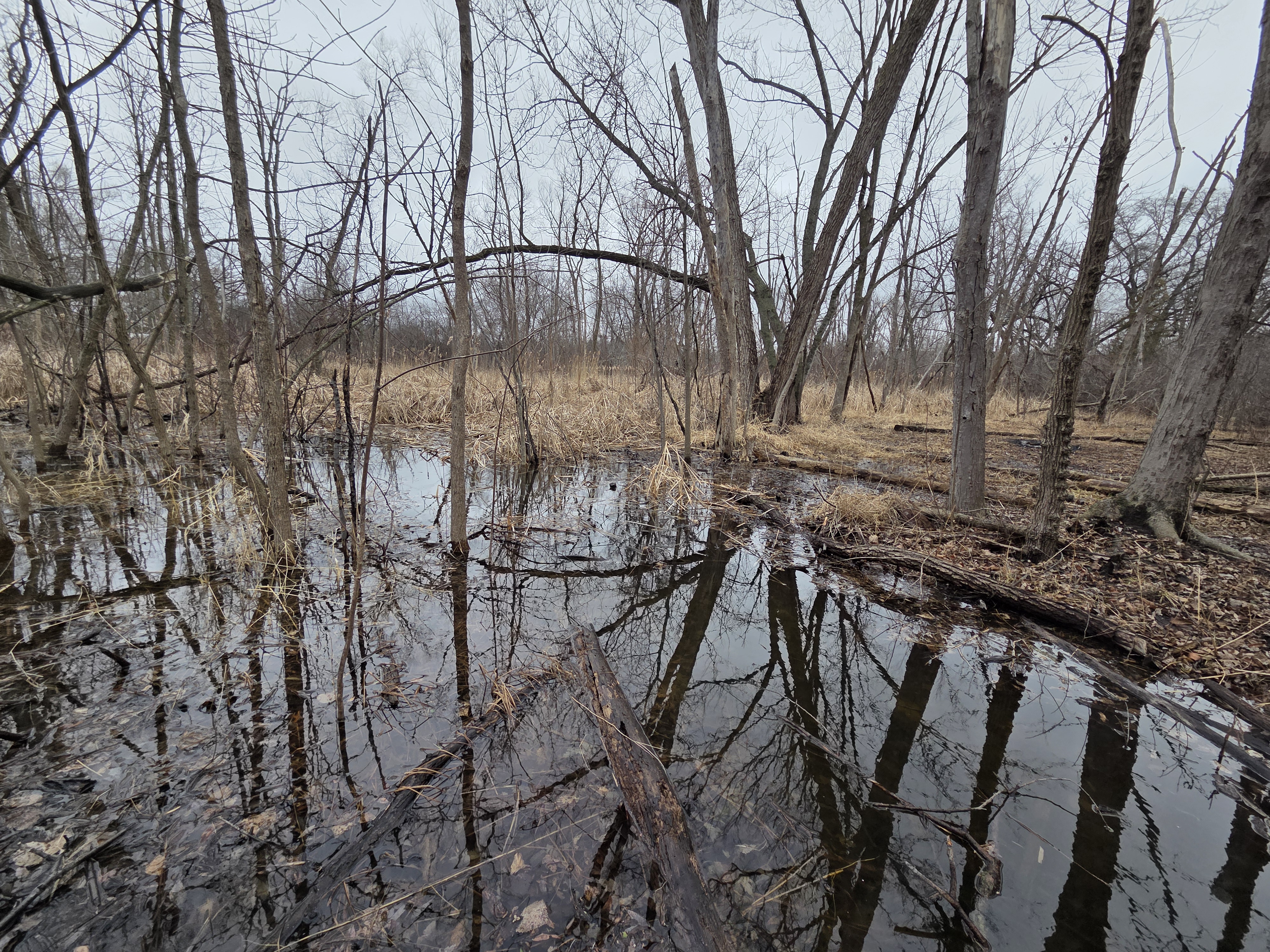
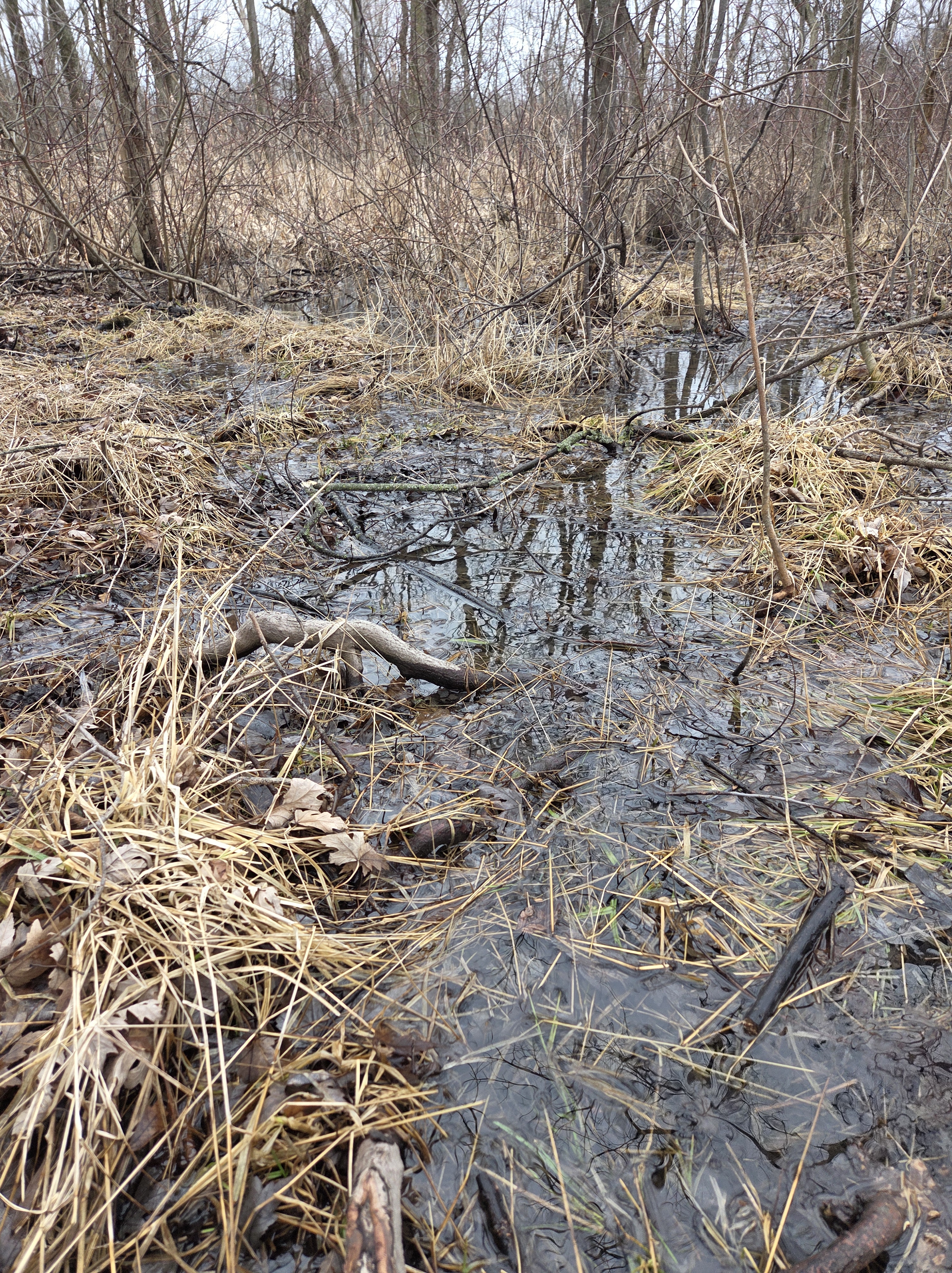
First 2026 workday
Jan 10, 2026
Our first workday went well—thanks to all who volunteered! We toured the site, discussed restoration needs, and chose a flexible schedule based on the weather. Join our email list for updates; another workday is planned soon.
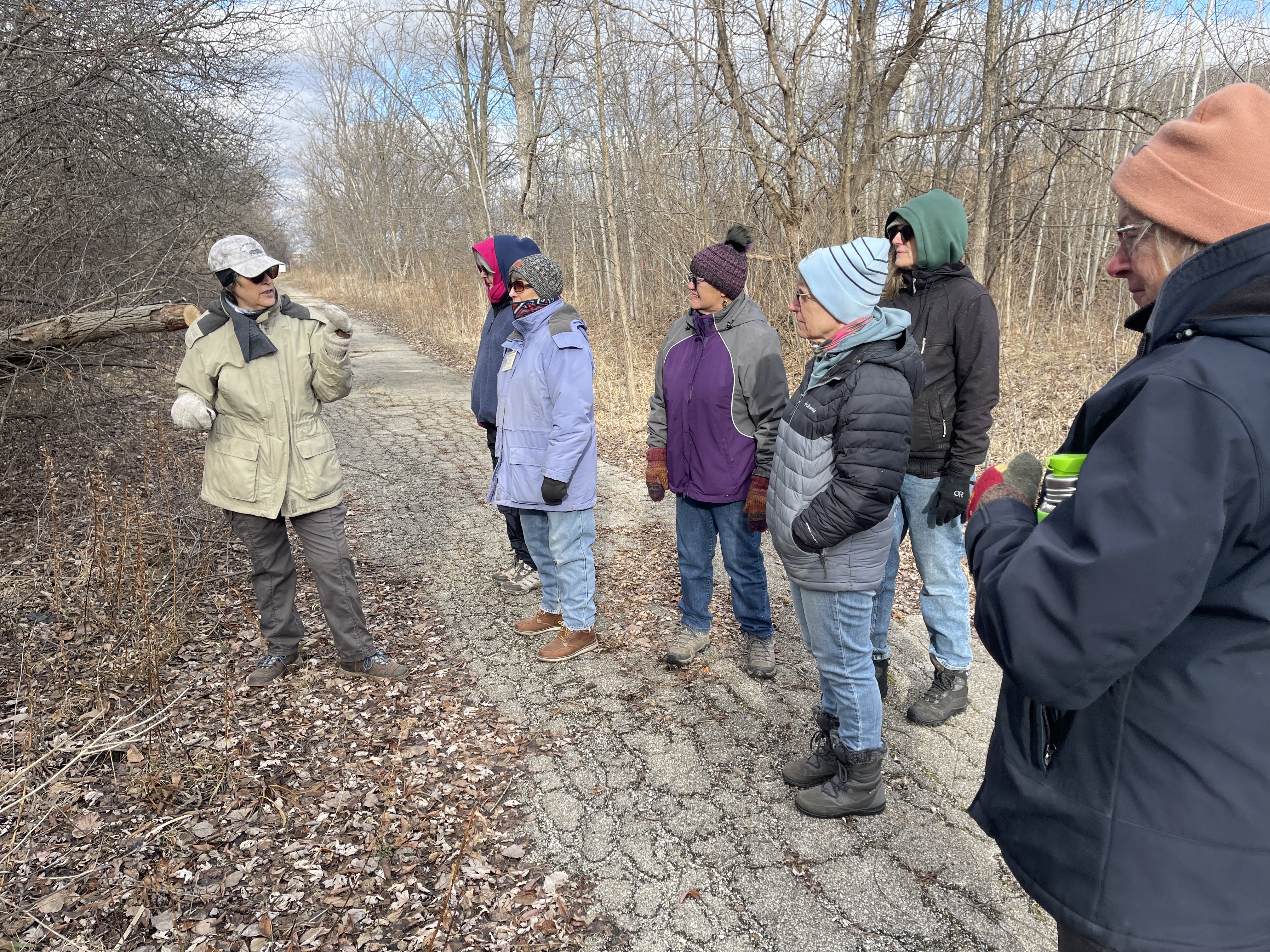
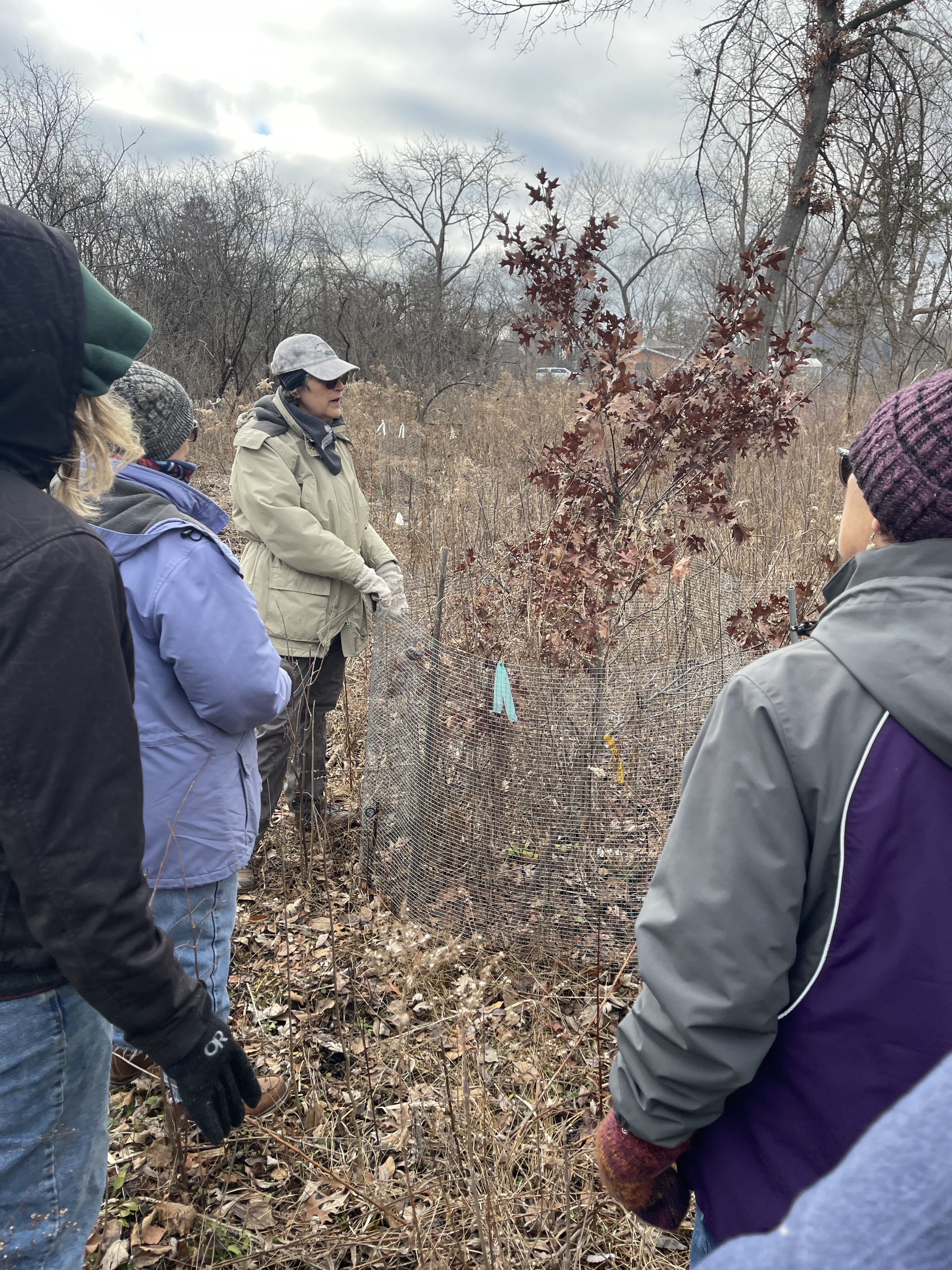
Each growing season is different
Oct 2025
Each growing season brings new surprises, good and bad. This year, the oaks, hickory, and hazelnuts are getting bigger. We had a Woodcock hangout all summer. And the Great Horned Owl or Red Tail Hawk would fly by to check us out. The turtles had to cozy up since the drought reduced the size of their pond.
The ‘we need to keep investing in restoration efforts‘ news – Reed Canary Grass (Phalaris arundinacea) and Tall Goldenrod (Solidago altissima) are taking over! Our efforts this winter will be to secure funds to hire a professional restoration crew that has the expertise and equipment to treat these aggressive plants.
There are 15 acres of wetland to be saved and restored. As a team and community, we can make this happen!
Leveraging a team of talented individuals
July 2025
We had the opportunity to tour the Somme Preserve, which is considered one of the finest examples of an ecosystem brought back from the brink. Chronicled in the book, Miracle Under the Oaks by William K. Stevens. The majority of restoration work is completed by volunteers! Passionate, dedicated people leveraging their time and talent to truly make a difference! Our small group marveled at the pure, pristine beauty of the healthy ecosystem. We would excitedly point out plants and insects. By the end of our walk, we had created a bond, which included sharing the work each of us is doing in our yards and community. It was inspiring to be reminded how a team can make a difference! Donating a couple of hours adds up over time! Visit our resource page to learn where you can share your talent and time.
Another growing season has started
May 2025
As restoration work moves forward, each spring brings new growth. It’s exciting to see the Hazelnuts growing taller, Nannyberrys enjoying the opportunity to spread their branches, and native plants starting to take over.
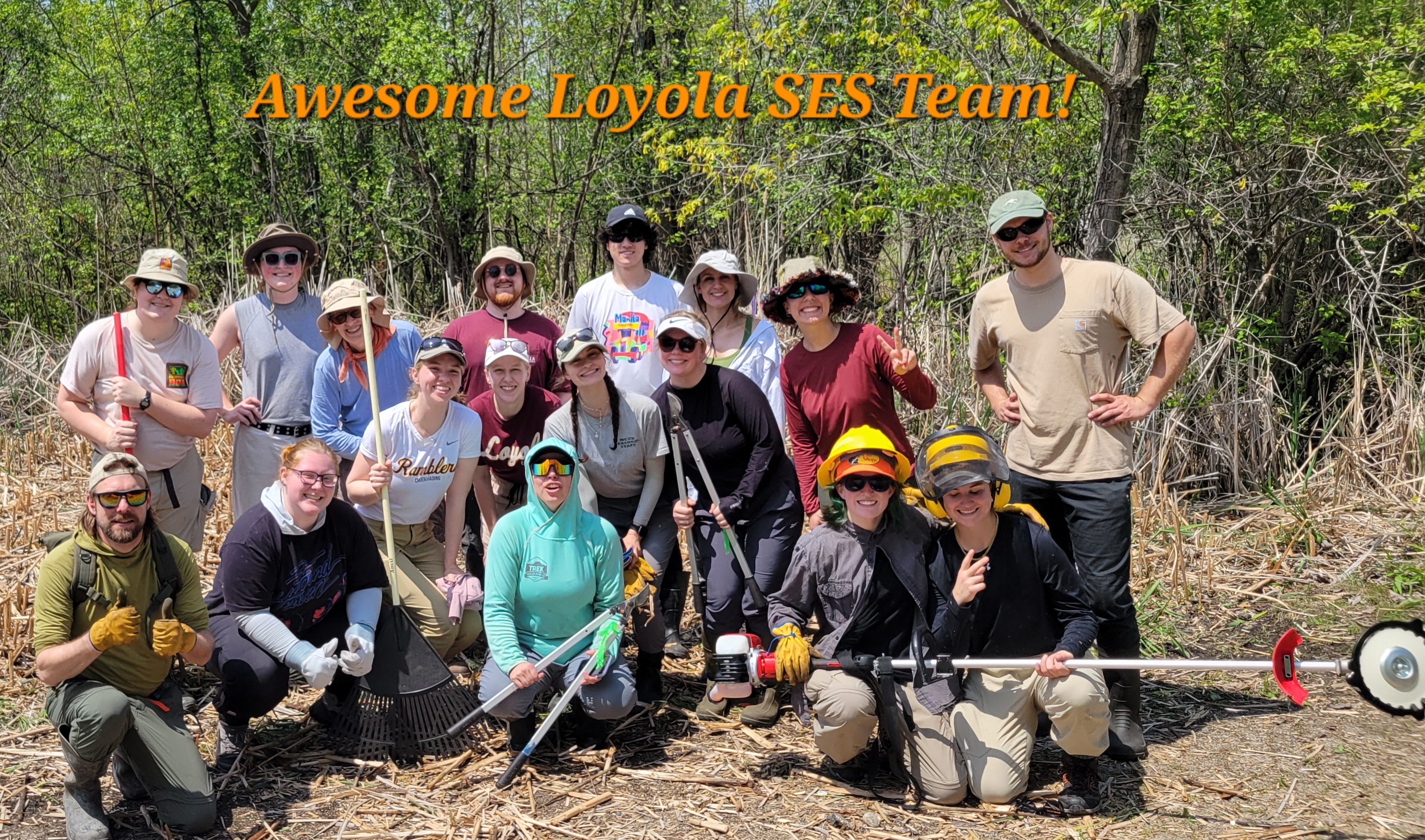
A team from the Loyola School of Environmental Sustainability came to collect cattails. The team is researching the potential of using cattails to create biochar.
Restoration work is in the early stages and will be an ongoing journey. We appreciate your continued support with the restoration efforts by donating your time on workdays and/or funding for professional restoration services.
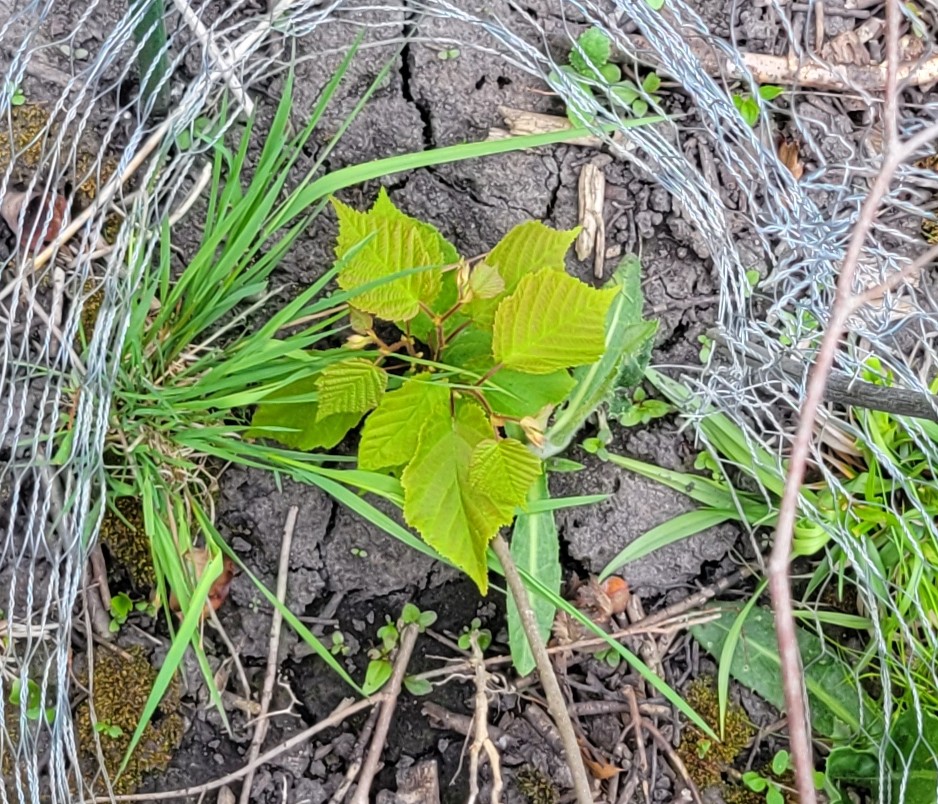
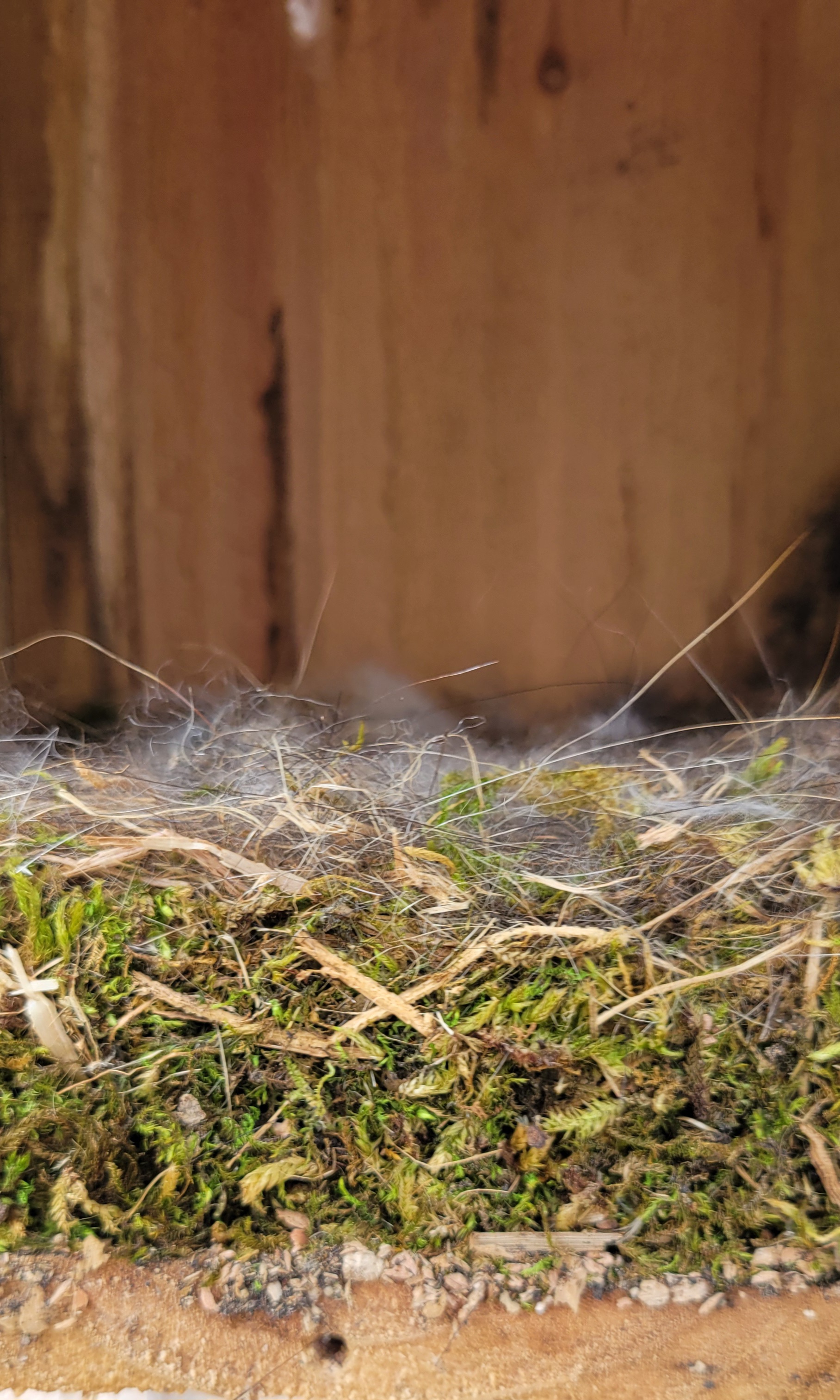
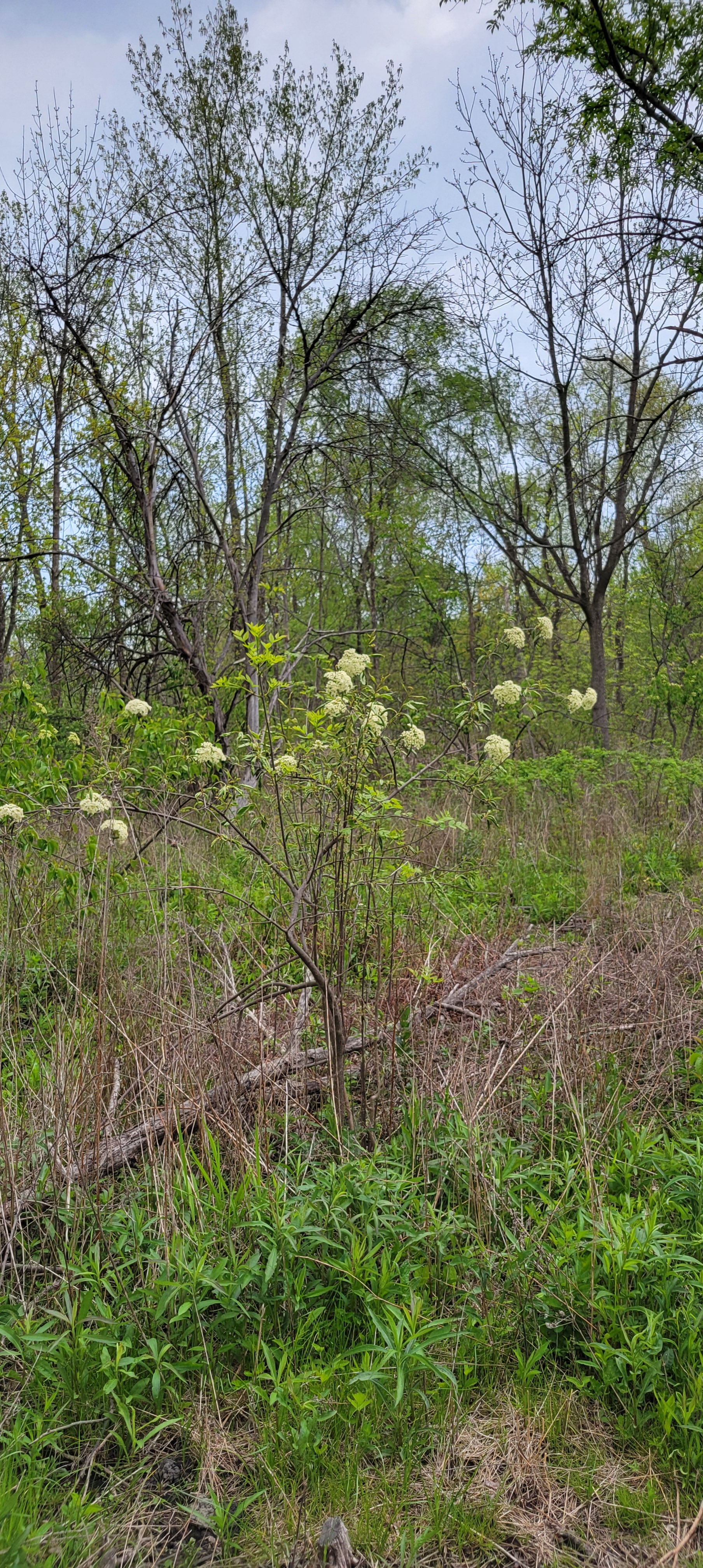
Encore to another growing season
November 2024
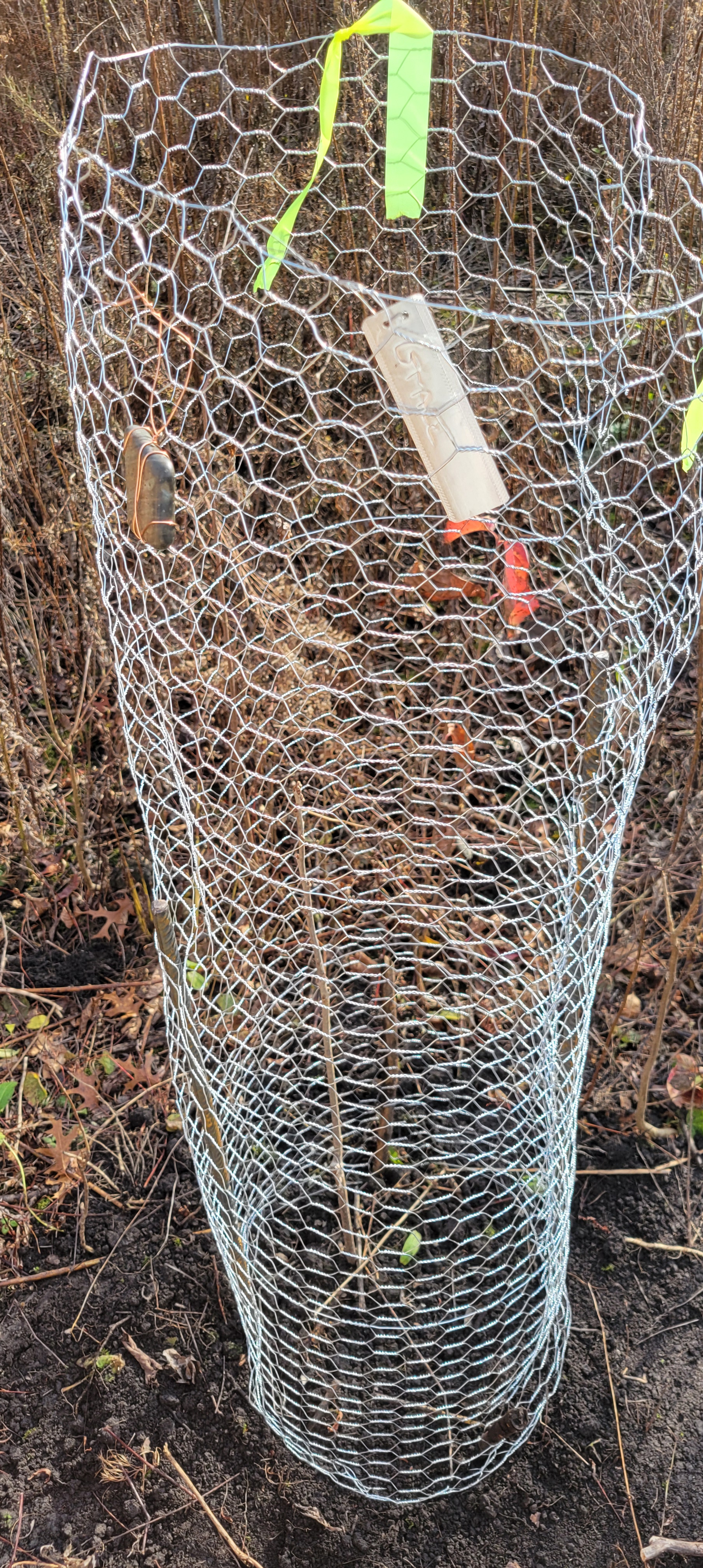
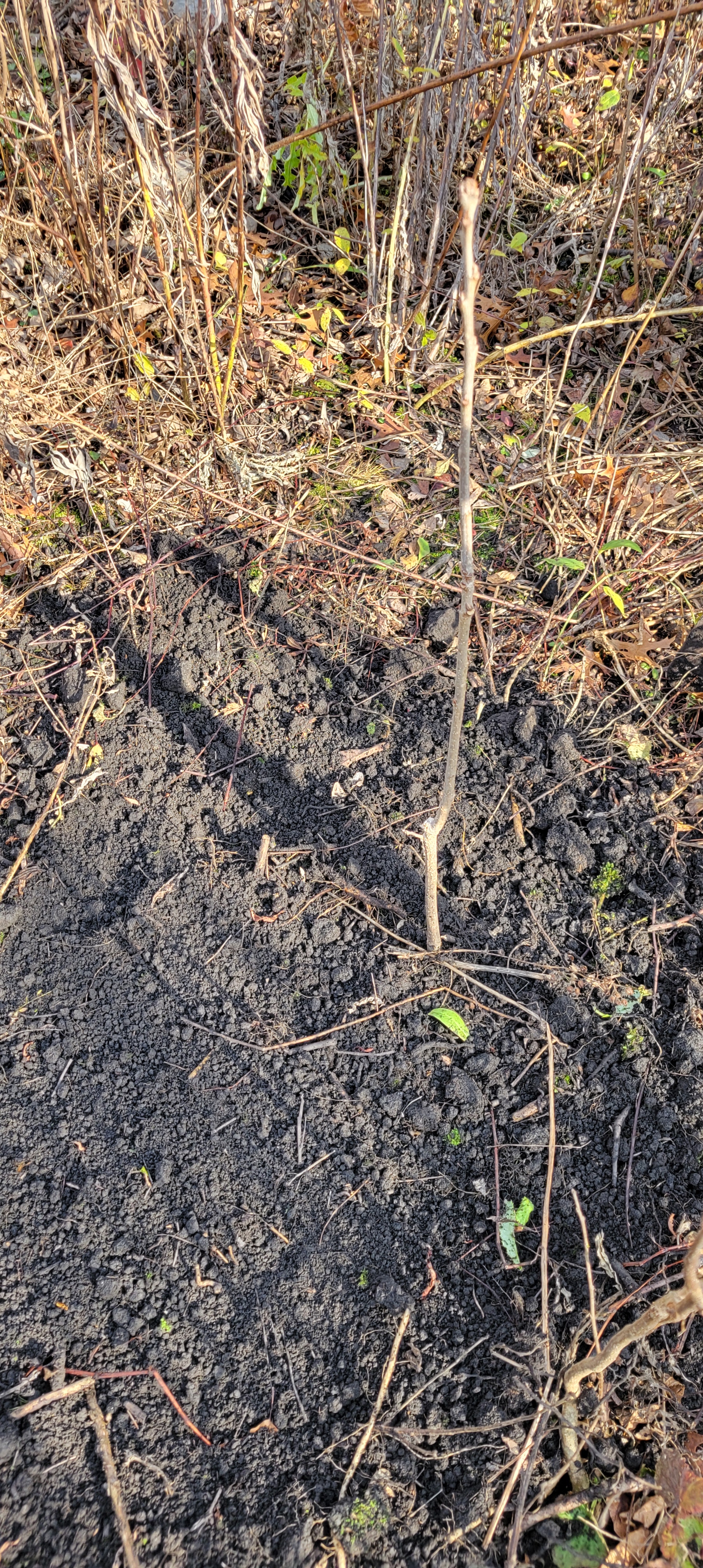
- With a generous donation, an oak tree (Burr) was planted in the loving memory of Grace DeLacy Jeffers. https://www.chicagotribune.com/obituaries/grace-delacy-jeffers-lake-forest/
- A local native plant enthusiast gathered and donated a large amount of seeds from his backyard! It’s amazing how many seeds native plants produce! We had enough seed to cover 7 acres in Knollwood!
Wrapping up another growing season
October 2024 | Restoration is evolutionary. Our initial restoration work (Feb 2023) removed non-native buckthorn. The result was a growing season with; mostly bare ground, a few native plants, and a small variety of birds and wildlife. Each spring and fall we add additional native seeds and plants. This growing season produced an abundance of non-native and aggressive native plants. The team used steadfast labor to remove or reduce the non-natives, giving the native plants room to thrive, with positive results!
- One of the Hazelnut (Corylus americana) shrubs produced to nuts on a small twig!
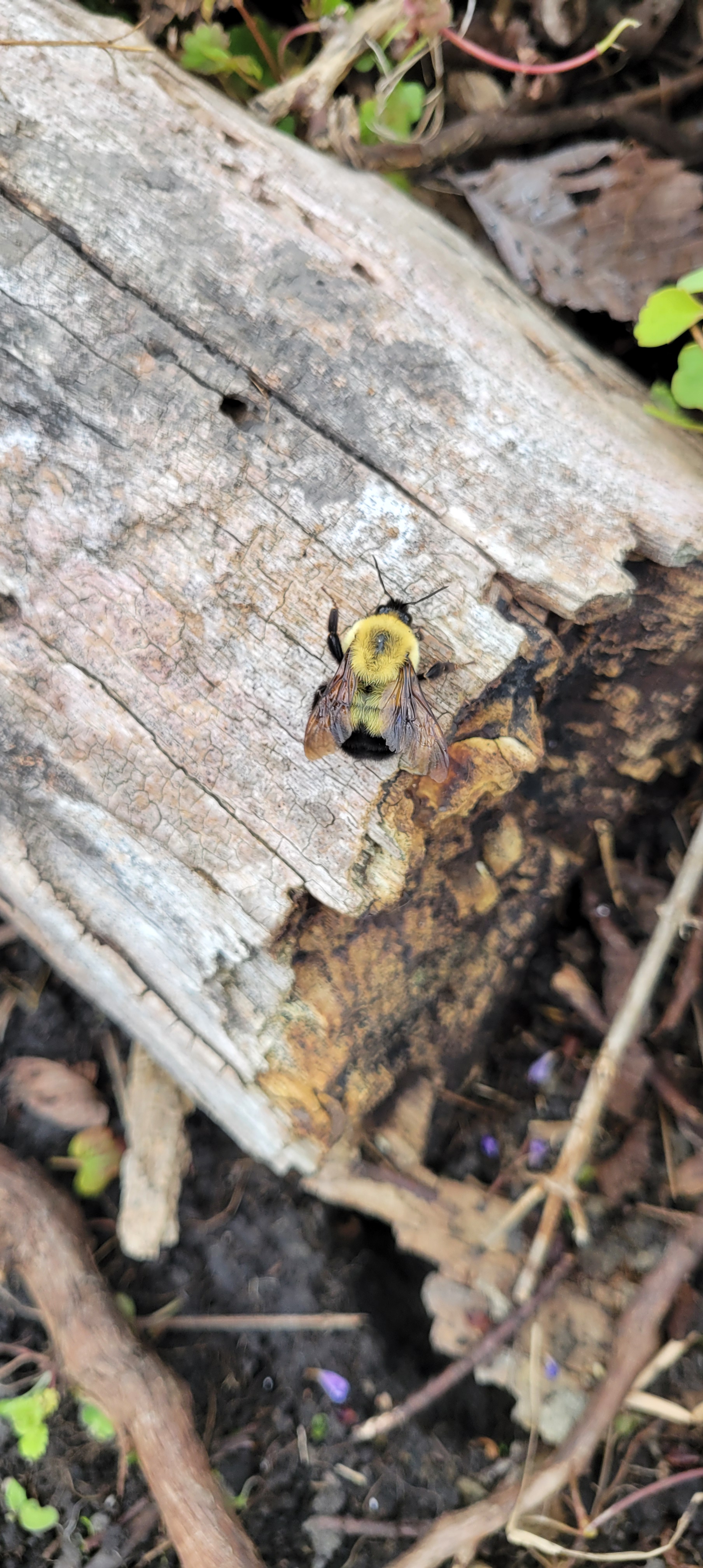
- The insect populations have increased, with frequent visits from butterflies, bees, and others.
- The native shrubs and plants are growing, even during the drought we are still experiencing.
This fall and winter we will continue restoration work. With your support, we hope to expand our efforts to the surrounding property. Please help us protect and restore 15 acres within the Knollwood community.

Rain Gardens Work
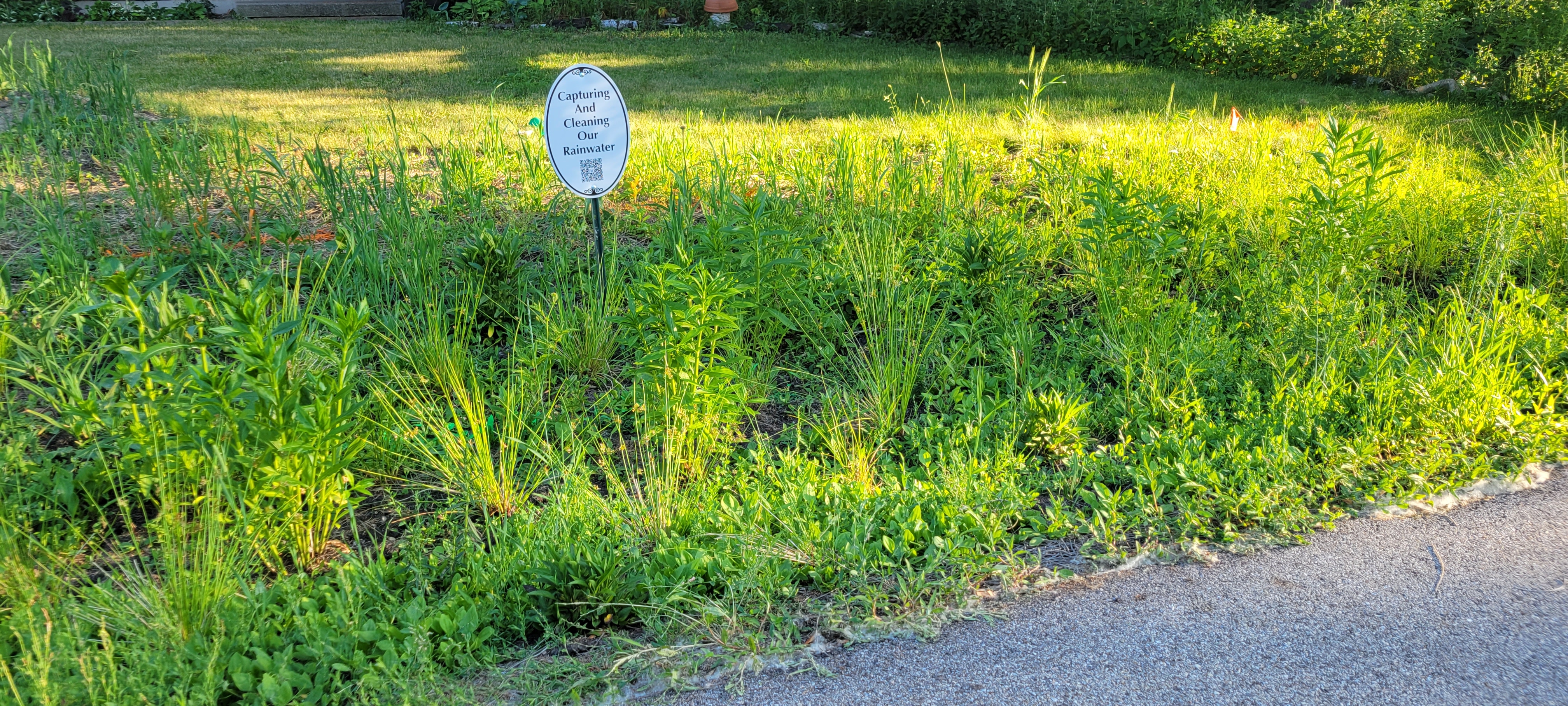
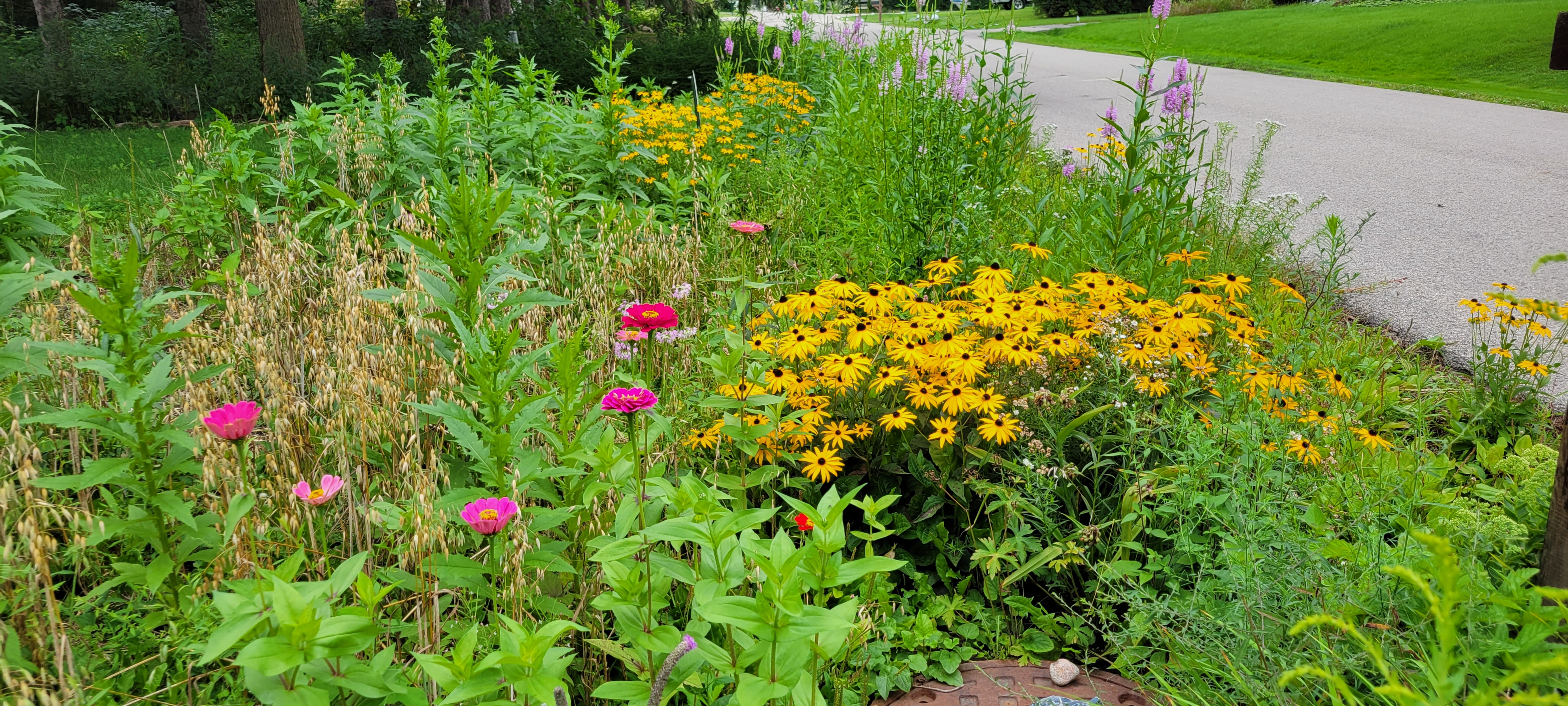
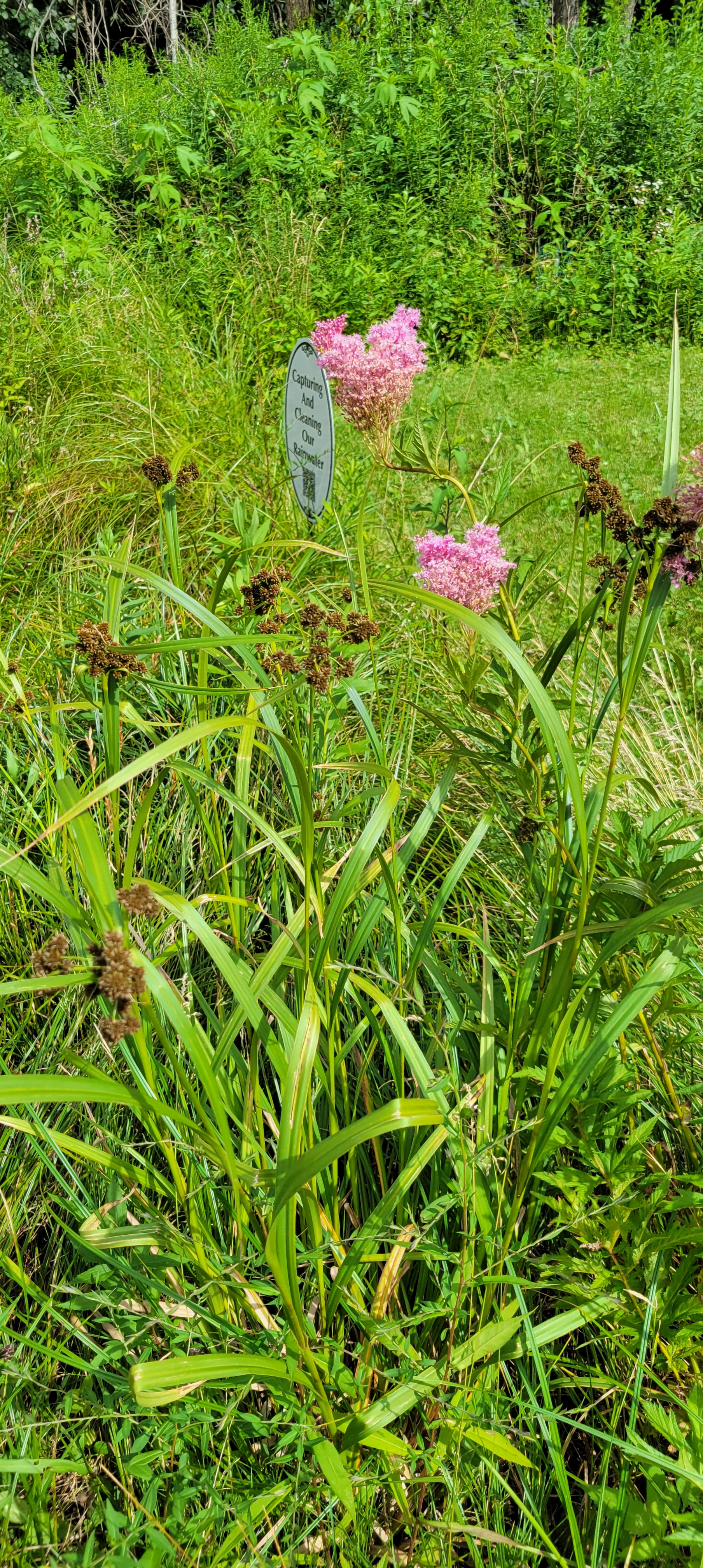
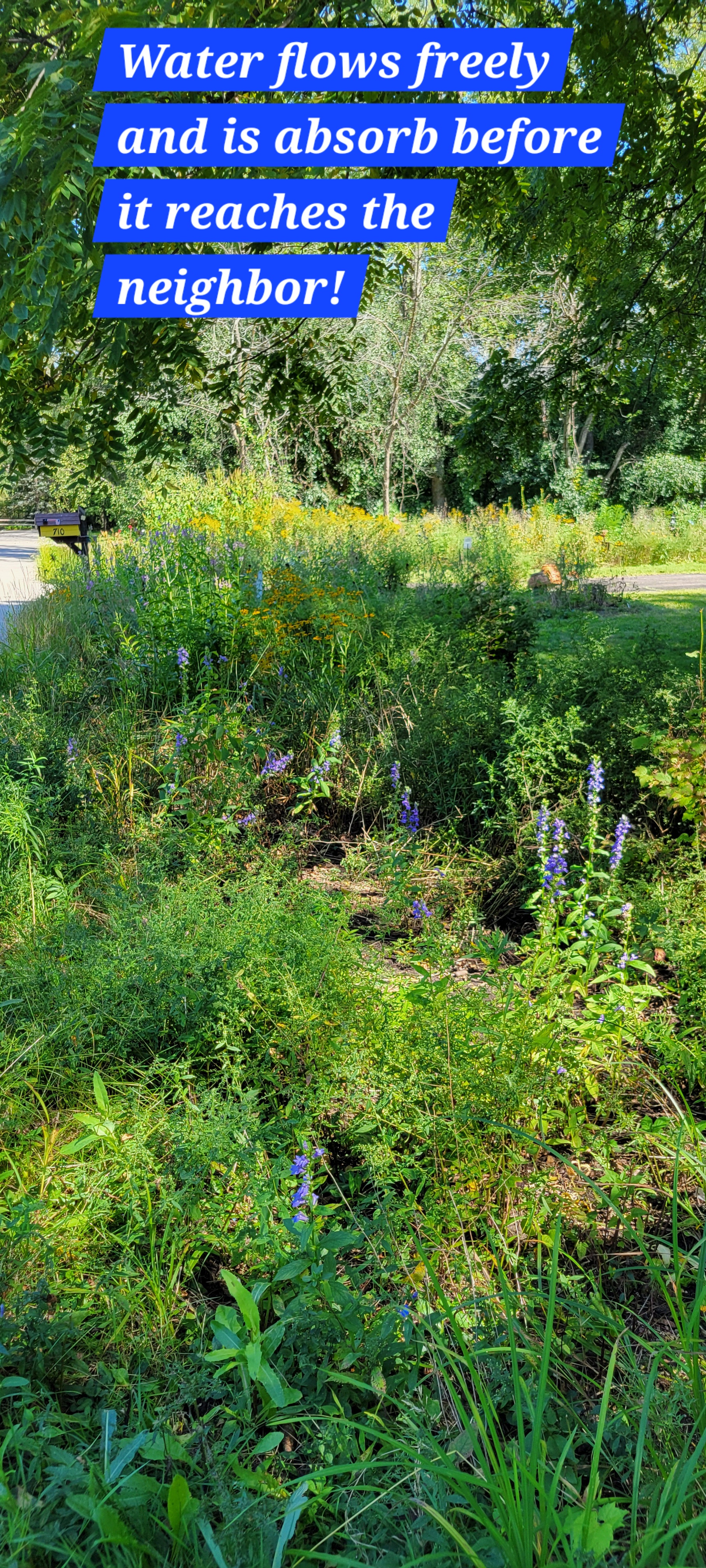
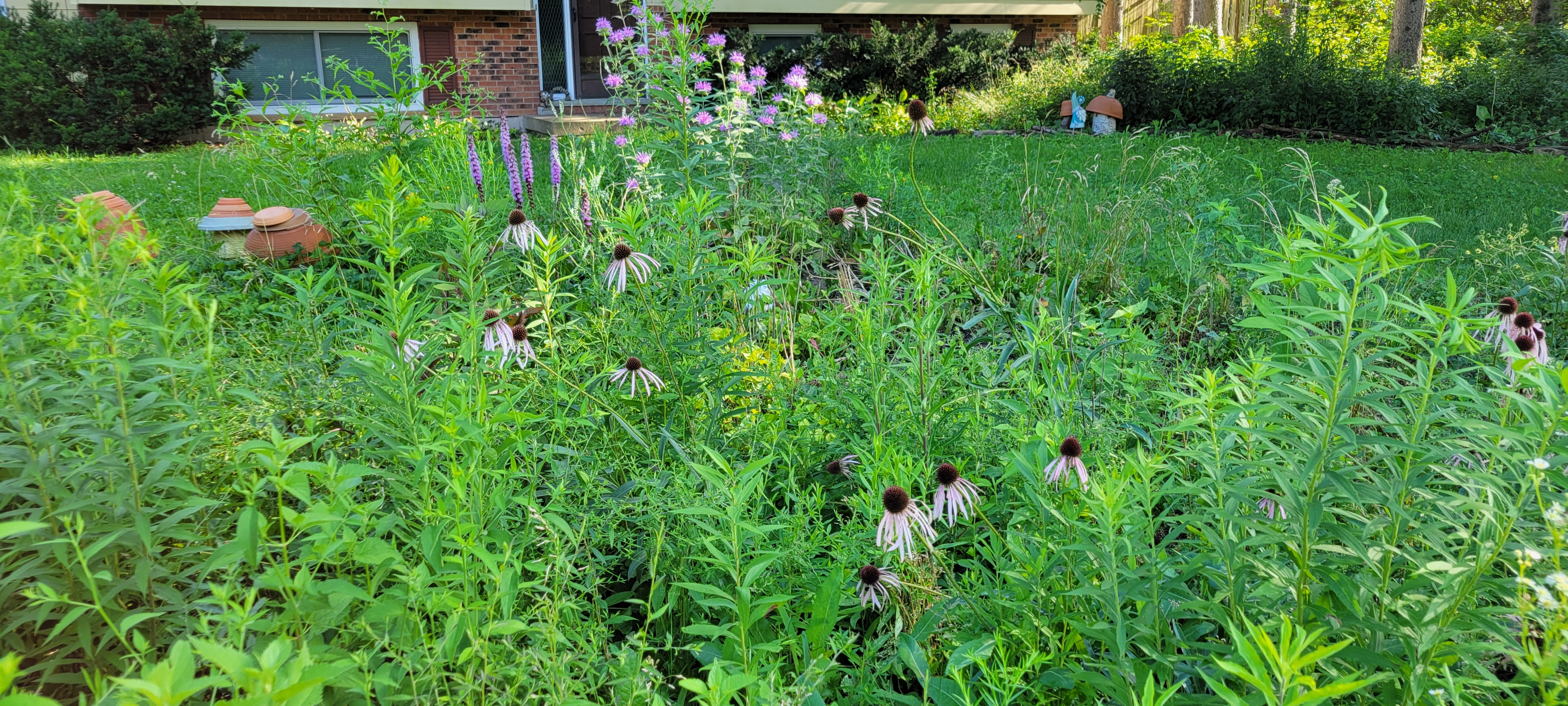
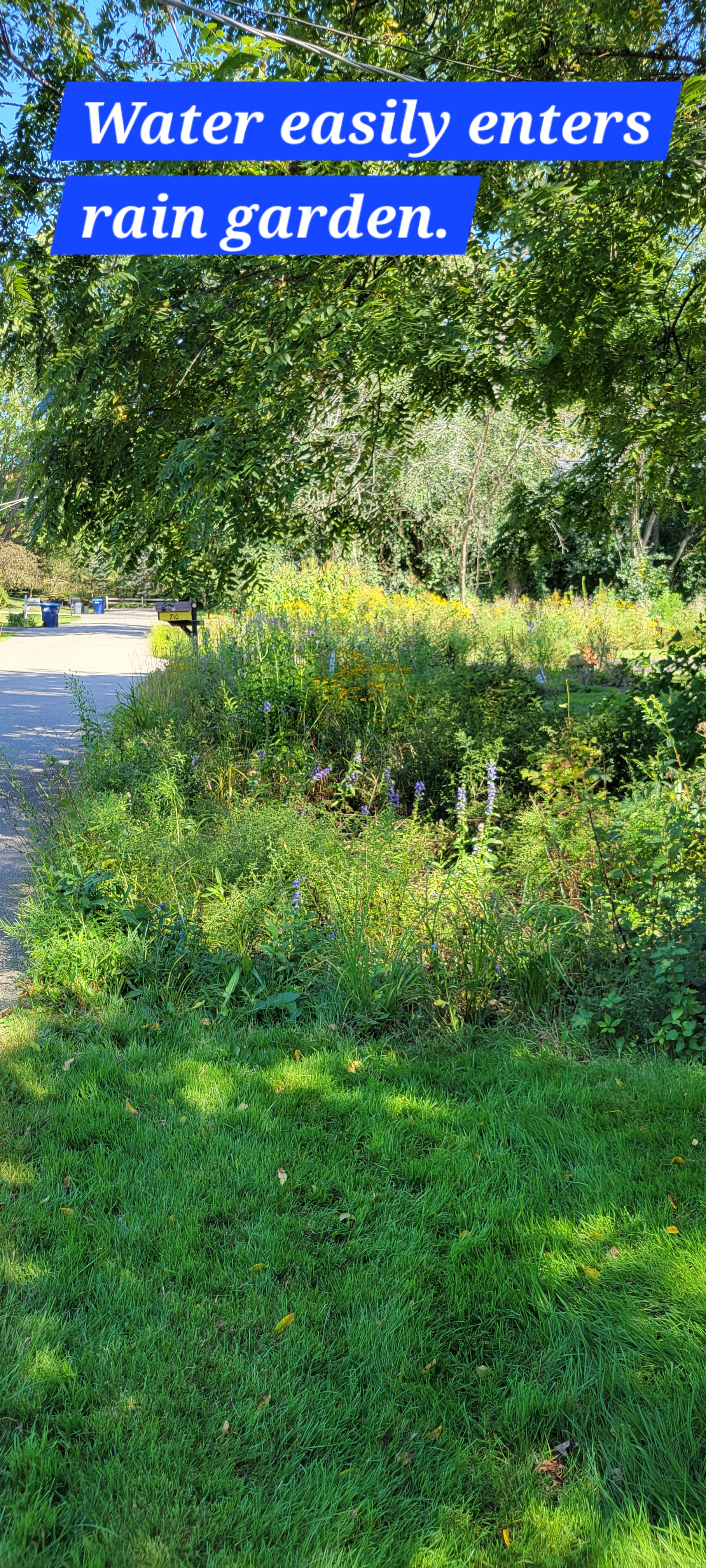
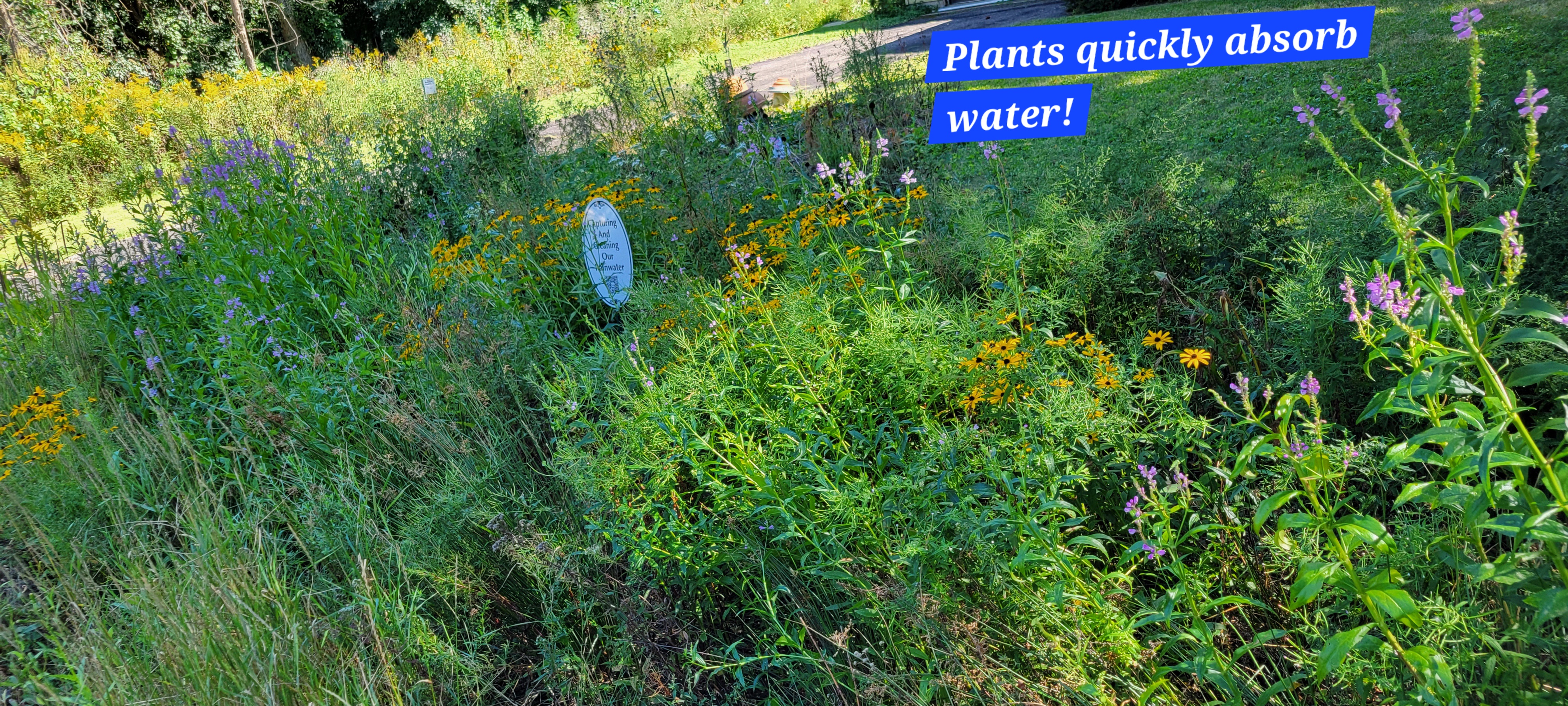
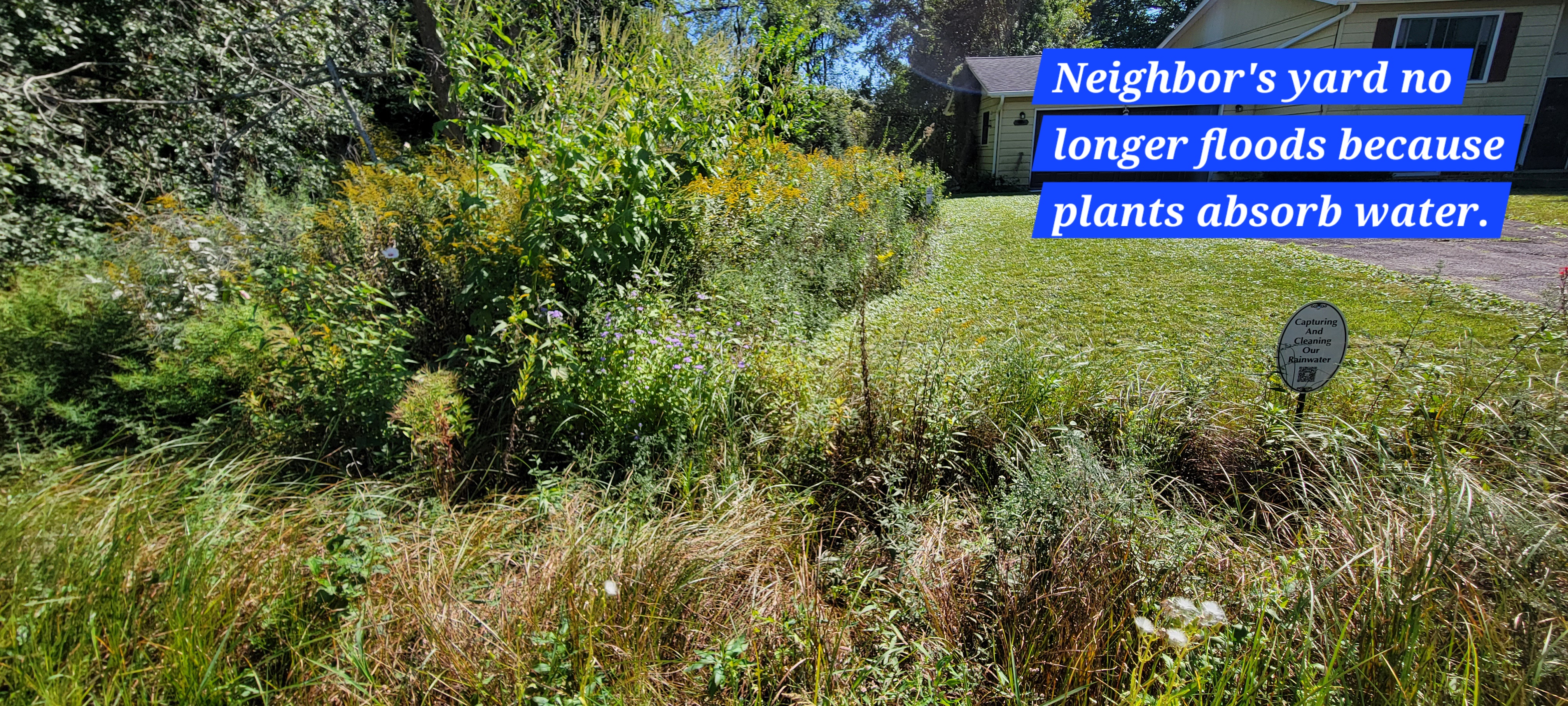
August 2024 | Rain gardens do work! We have had ours for two growing seasons with immediate success! Our neighbor’s yard would flood with any significant rainfall. As we were installing the rain garden he was skeptical that the native plants would absorb water and reduce or eliminate the flooding in his yard. We would have fun bantering back and forth about proper stormwater mitigation. This spring the neighbor proudly announced ‘My yard doesn’t flood anymore! The native plants do work.’ The neighbor has even planted sedges in his backyard, which tends to be soggy. It’s all about being willing to listen and give natives a try. The other neighbors appreciate the increased bird activity with the native plants. One neighbor said, ‘There is always something enjoying the garden, including the deer.’ We’re enjoying watching the rain garden grow and become established, the Cardinal Flowers ( Lobelia cardinalis) and Queen of the Prairie (Filipendula rubra) were beautiful this year! Give it a try, capture your raindrops where they fall with native plants, then relax and enjoy the show!

Our responsibility
July 2024 | In my opinion, nature is not a commodity or resource for us to own or do with as we wish. Nature is our lifeline, it is our responsibility to protect and nurture it so the planet can survive and thrive. As a collective, we are making a difference.
At ANP we are working to expand our reach and hope to inspire, recognize, and celebrate those who are contributing to this cause.
Individual and collective actions do create positive environmental change.
Humbly, Janice Aull
The sedges have been planted
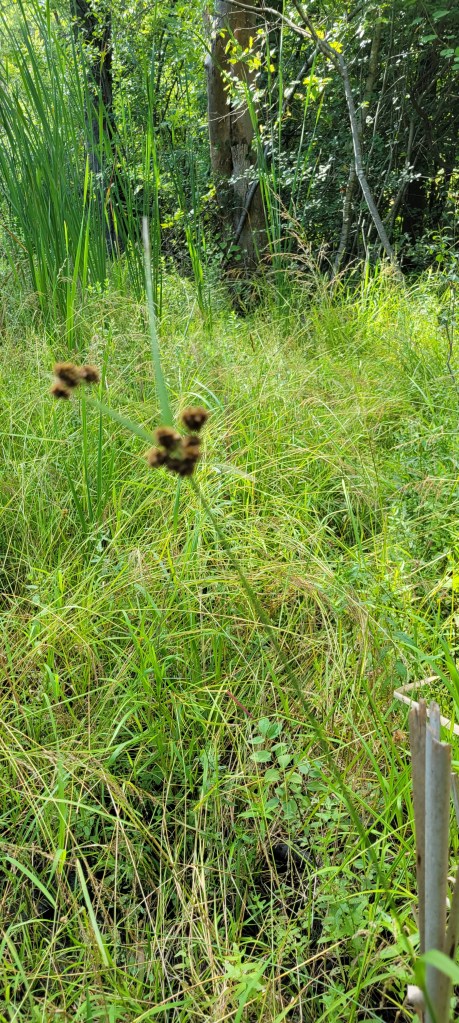
May 2024 | The sedges have been planted and Mother Nature is doing her thing! The exciting part of planting natives is to observe how they grow and evolve over the years. Every year is different, depending on the weather, space available, and many other factors. This summer the dominant plants (ignoring the non-natives, which still have a stronghold) are sedges. There are a wide variety of sedges throughout ANP! We also see a good amount of Jack-in-the-pulpit (Arisaema triphyllum), and Blue Vervain (Verbena hastata).
We still have much to do, restoration work is ongoing and a lifelong commitment. We need to go after the Purple Loosestrife (Lythrum salicaria), Common Reed grass (Phragmites), Teasel (Dipsacus fullonum), and many other non-natives. This is where you can help. Your funds help pay for the expensive herbicides needed to treat the non-natives. You can also come join us on a restoration workday. Our volunteers find it very satisfying to see a pile of non-natives waiting to be discarded at the end of the day.
The sedges have been ordered
March 2024 | Your support allowed us to order 13 different species of sedges, totaling approximately 800 plants (forbs, sedges, shrubs, and trees)! Sedges are in the Carex genus and cover nearly 2,000 species of grass-like plants.
Sedges play an important role in our ecosystem. They filter and clean water, stabilize soils, provide habitat for invertebrates, serve as the foundation for both terrestrial and aquatic food chains, and are a source of forage for butterfly caterpillars, birds, waterfowl, and a wide variety of mammals.
Thank you for helping us continue our restoration journey! Reach out if you want to help us install the plants!

It takes a community
“There is no power for change greater than a community discovering what it cares about.” – Margaret J. Wheatley
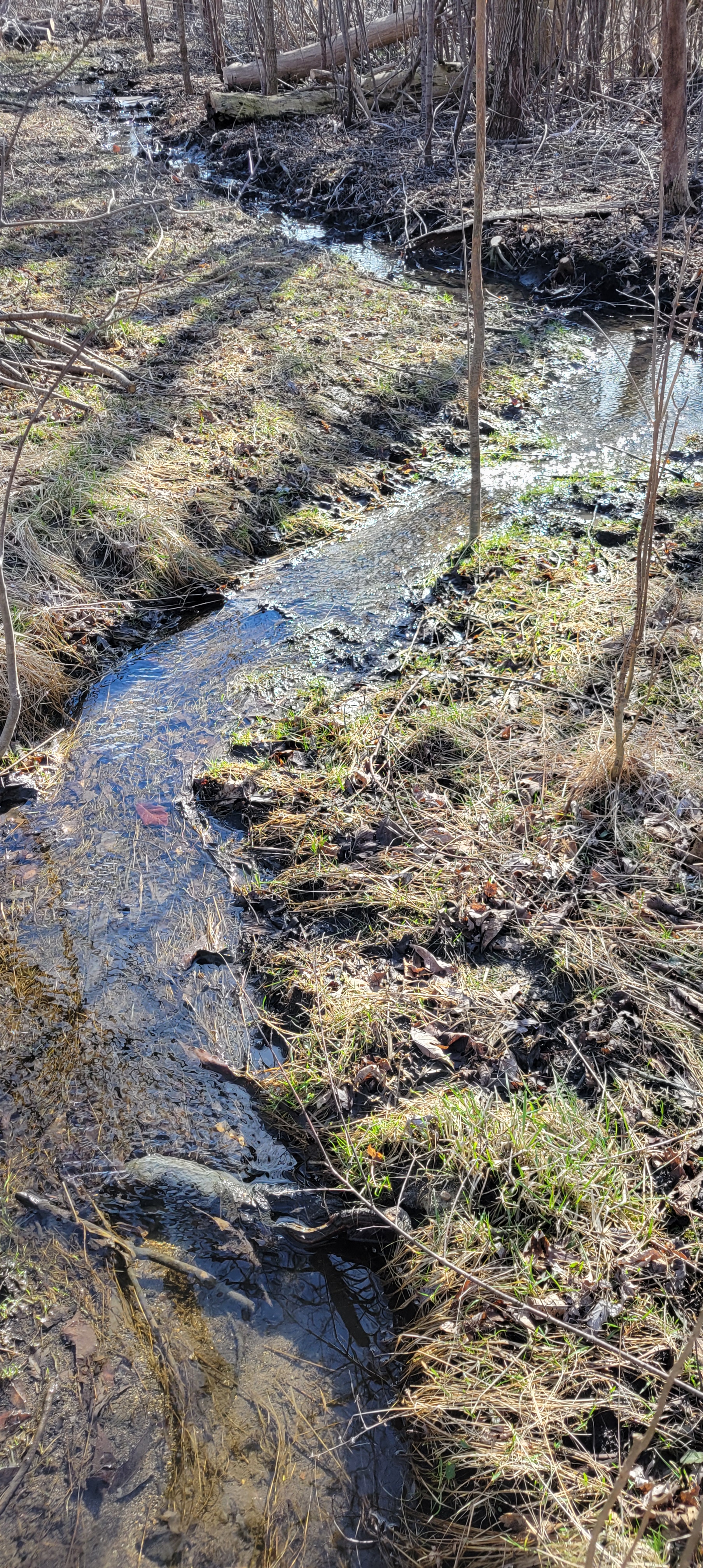
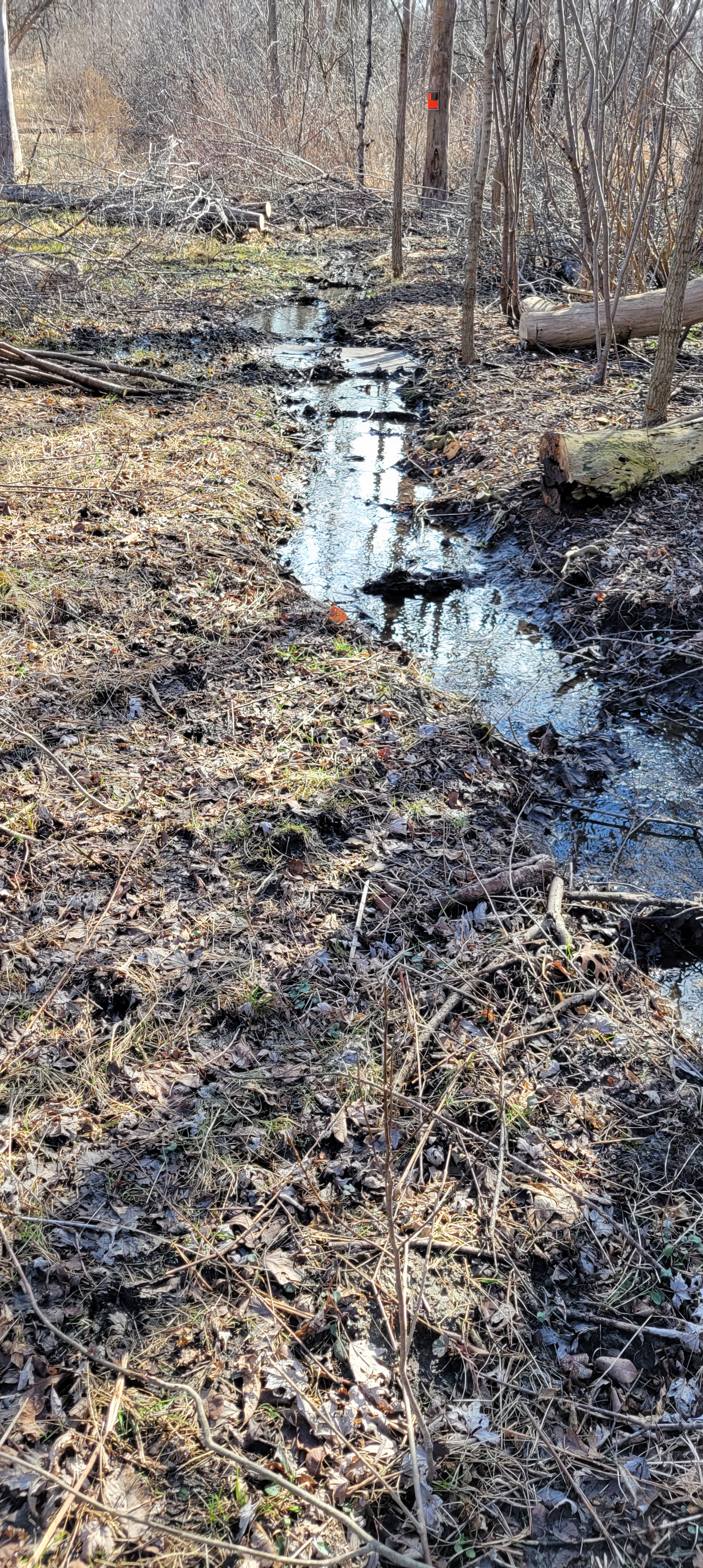
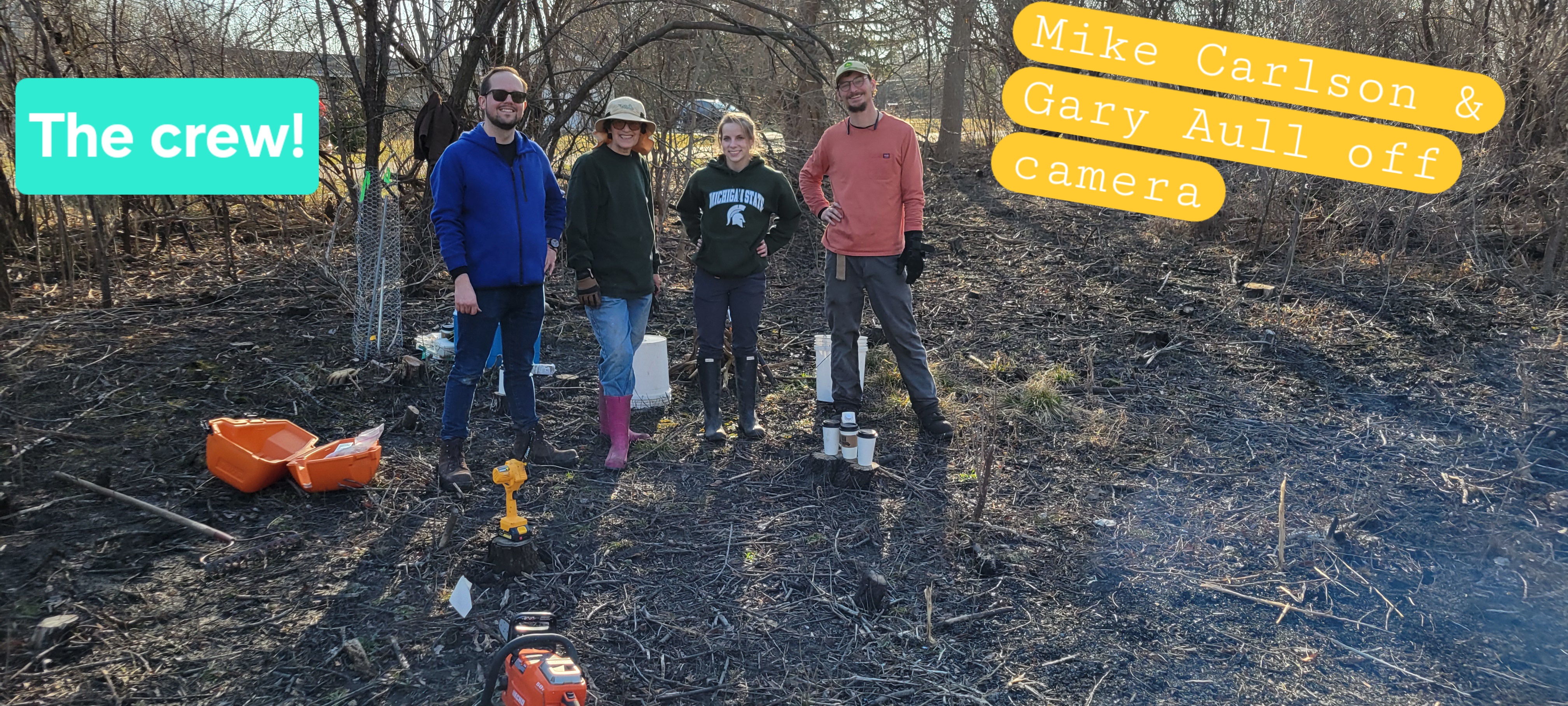
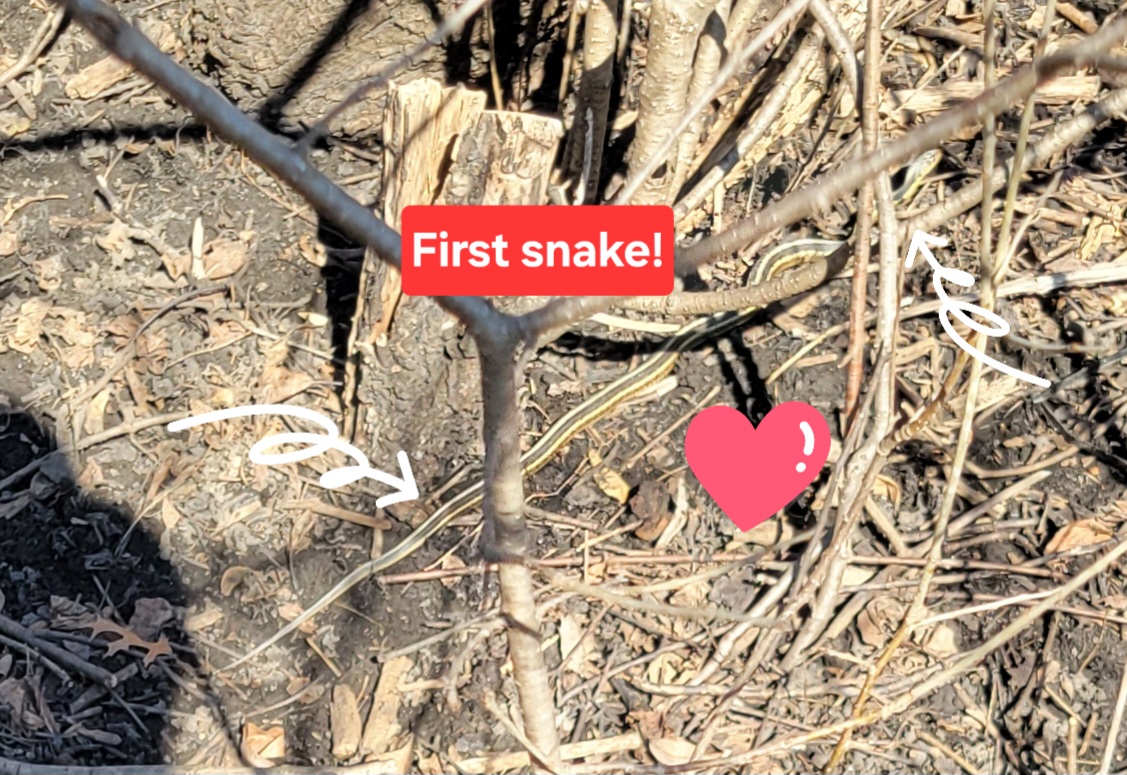
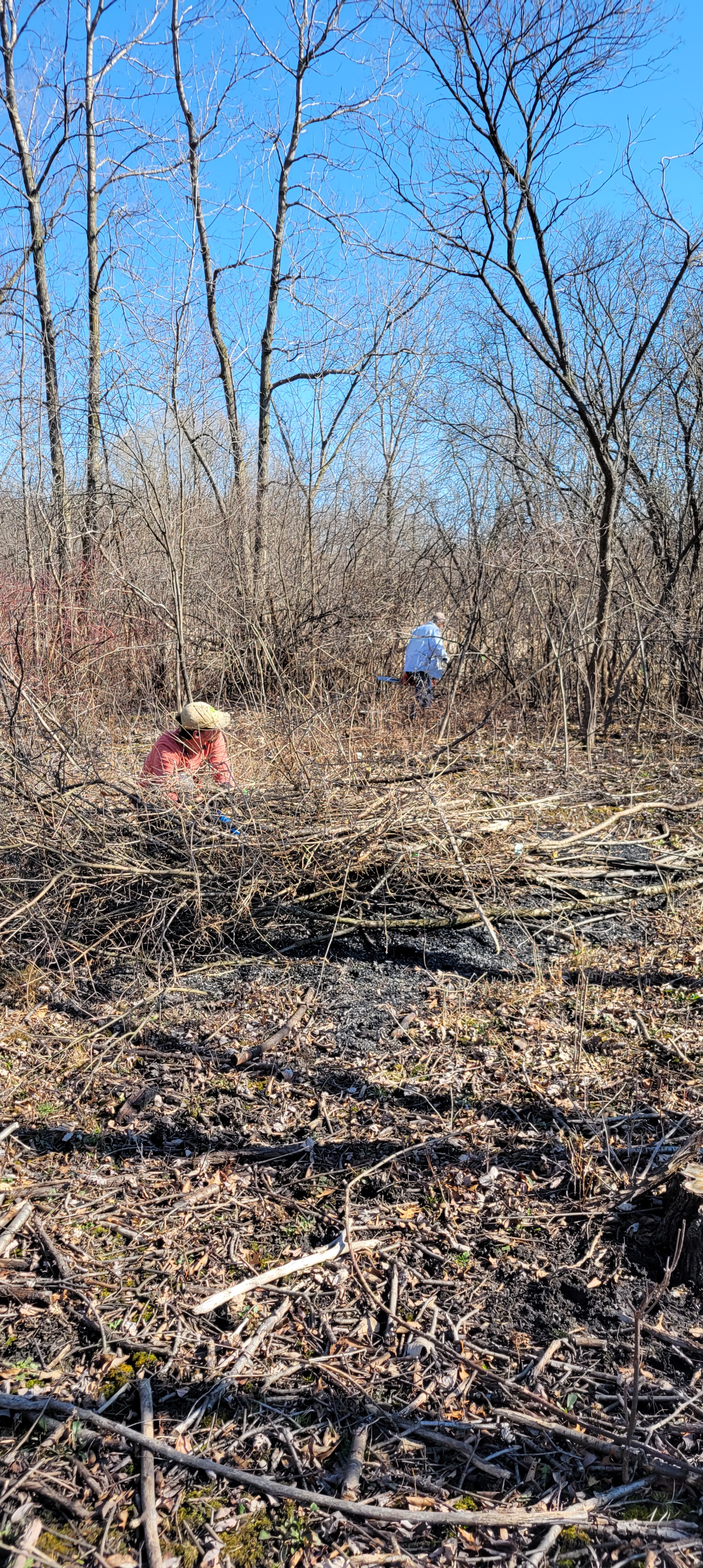
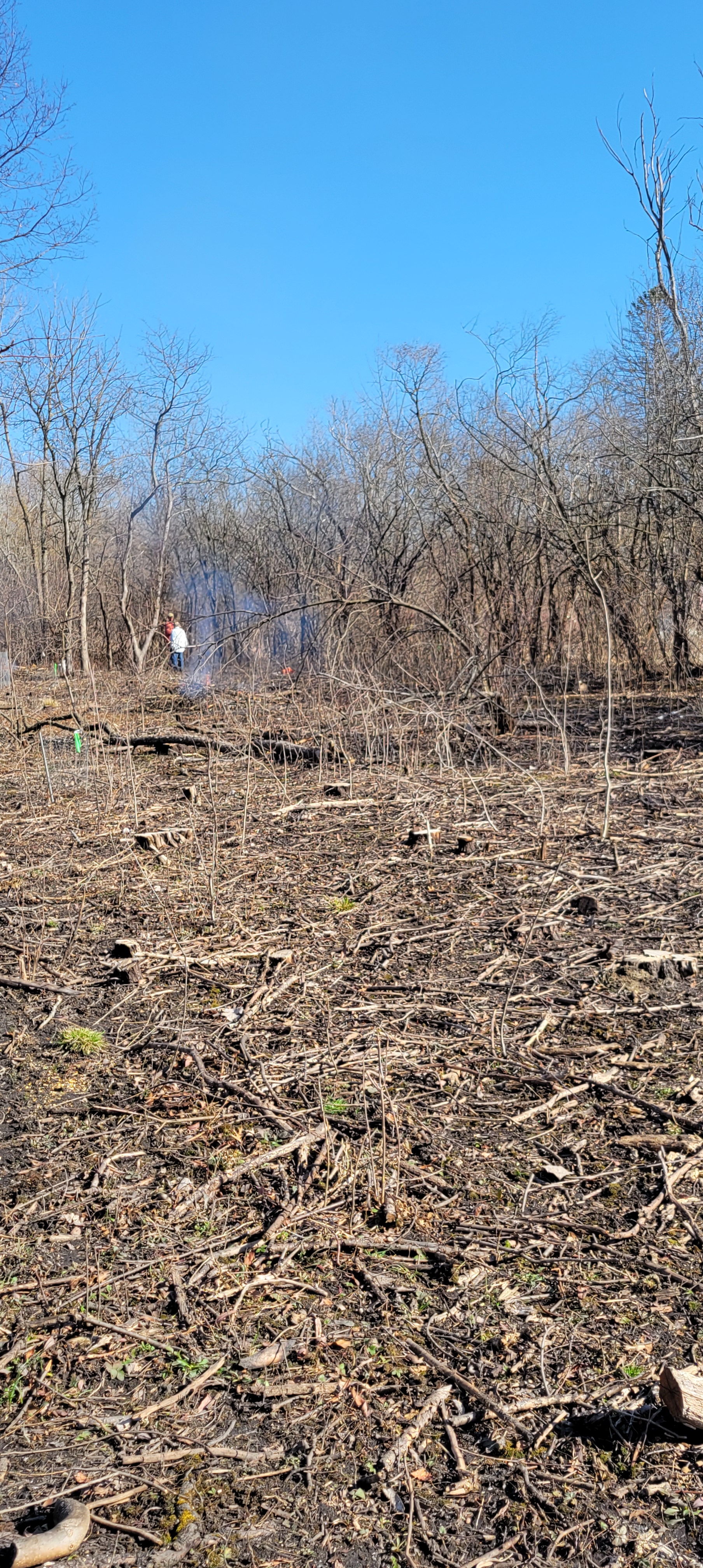
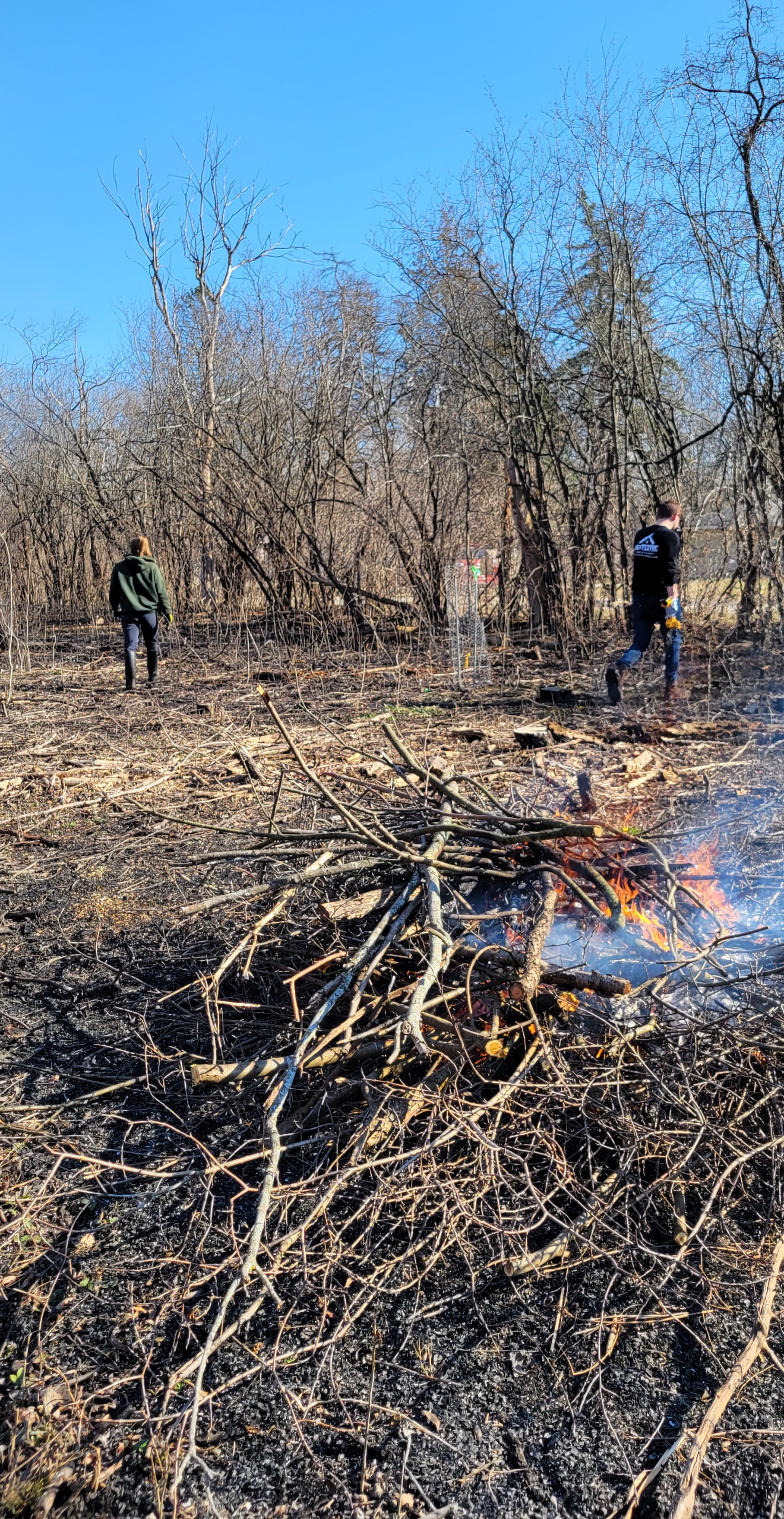
A community can accomplish a great deal when working together. On March 2, 2024, a few of our ANP community members donated their precious time to clear and burn buckthorn. We were rewarded with hearing birds sing, seeing Nannyberry (Viburnum lentago) buds just ready to open, observing a garter snake appreciating the sun, and the camaraderie of knowing we are working together to make a difference!
The next step is to secure funds to purchase and install native sedges and shrubs.
The Royal Oak Tree
The mighty oak tree, a keystone species!
October 2023 | This year we had the opportunity to extend our planting of oak trees to the Aull Nature Preserve. We’ve been planting oaks at Nature’s Haven since the mid-90s. It has been delightful to see the trees flourish.
In Illinois, there are 21 species of oaks: twelve under the Red Oak (Section Lobatae) group and nine under the White (Section Quercus) Oak. Oaks are a keystone species for nature by providing food (acorns, leaves, sap, etc.), shelter, and habitat (from its canopy down to the leaf litter and root system below). Oaks support more life forms than any other North American tree genus.
Countless birds, mammals, fungi, insects, and spiders flourish under an oak’s mighty limbs. Caterpillar species alone number almost 900 in U.S. oak forests. For comparison, the maple genus doesn’t even reach 300 species of caterpillars. Caterpillars are a vital food source for birds. Healthy bird communities coincide directly with healthy insect populations. More than 9 out of every 10 terrestrial North American birds raise their young on insects, mostly caterpillars rich in fats and proteins.
A fully mature oak can rain down thousands of acorns each season, and about 3 million over its lifetime. Loaded with protein, fats, and carbohydrates, they are a virtual superfood for many creatures of the forest.
Oak galls, or “oak apples”, form when a wasp’s eggs are laid in oak leaves, another food source for birds.
Oaks can be incredibly long-lived, routinely living over 300 years, if given the chance. A live oak in Louisiana is estimated to be nearly 1,500 years old.
Throughout the major cultures, people have held the oak tree in high esteem. Ancient kings and Roman commanders wore crowns of oak leaves as a sacred symbol of strength and endurance. According to Mythology the term “Dryad” comes from “Dryos” meaning Oak or Tree. The belief is planting an oak tree creates a Dryad or tree spirit, a guardian for the tree. In some countries, a tree is planted when a baby is born to cast away evil and misfortune and to be a protector and spirit guide.
Planting and nurturing oak trees not only help create a healthy habitat for nature, but they can also improve your well-being. Research has shown spending time in nature benefits both mental and physical health.
Leave a legacy that may last for hundreds of years, plant an oak tree! If you cannot plant an oak, support your local green space, and take time to learn about and connect to the natural environment to enhance your well-being.
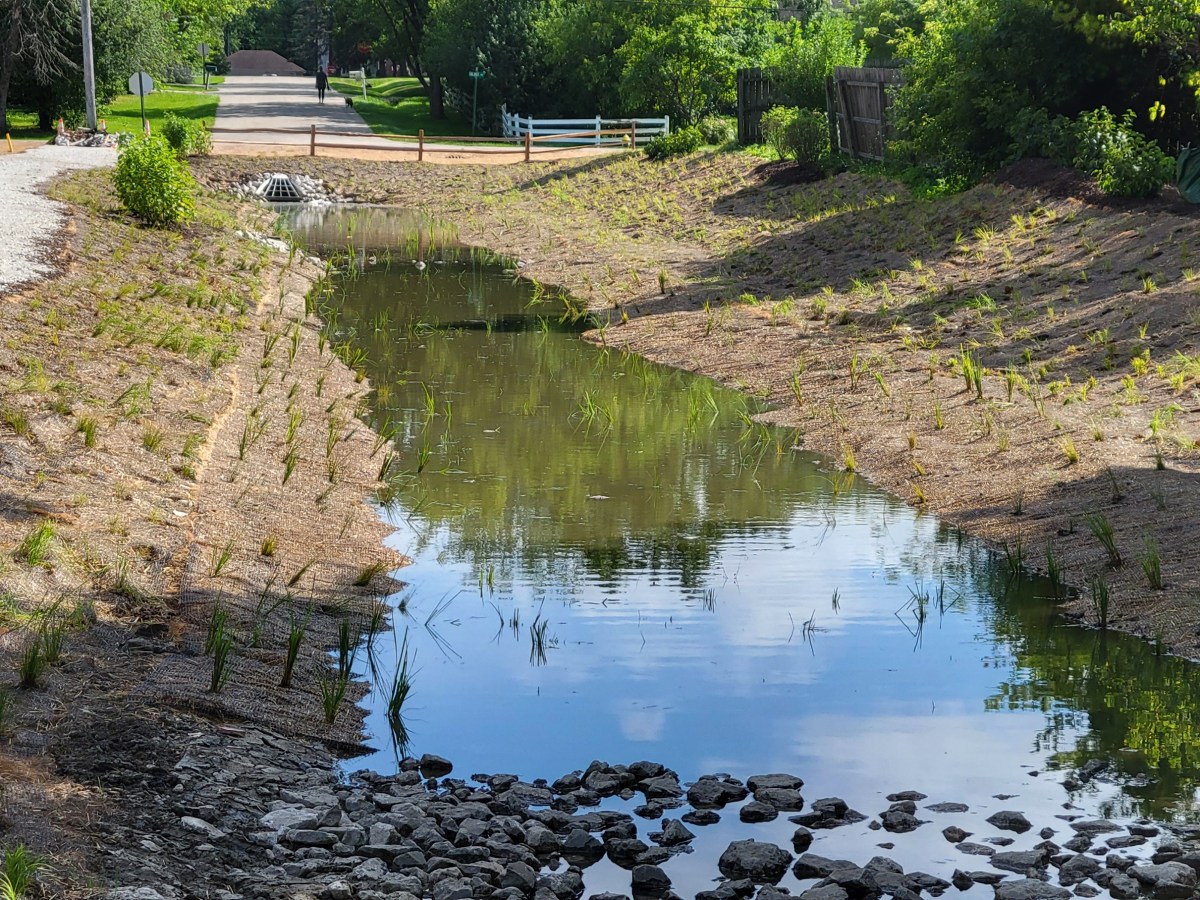
Stormwater Best Practice in Action
We have another project in Shields Township that implemented stormwater best practices! Lake County Stormwater Management Commission (SMC) and Shields Township recently collaborated to improve drainage and mitigate flooding between Talbot and Atkinson Roads. The…
Keep reading
Summer 2023 Sightings and Happenings
Post by Janice Aull Native restoration can be a messy task! Observing the changes with ANP as we proceed with restoration efforts triggers a wide range of emotions. Some days we’re excited to see the…
Keep reading
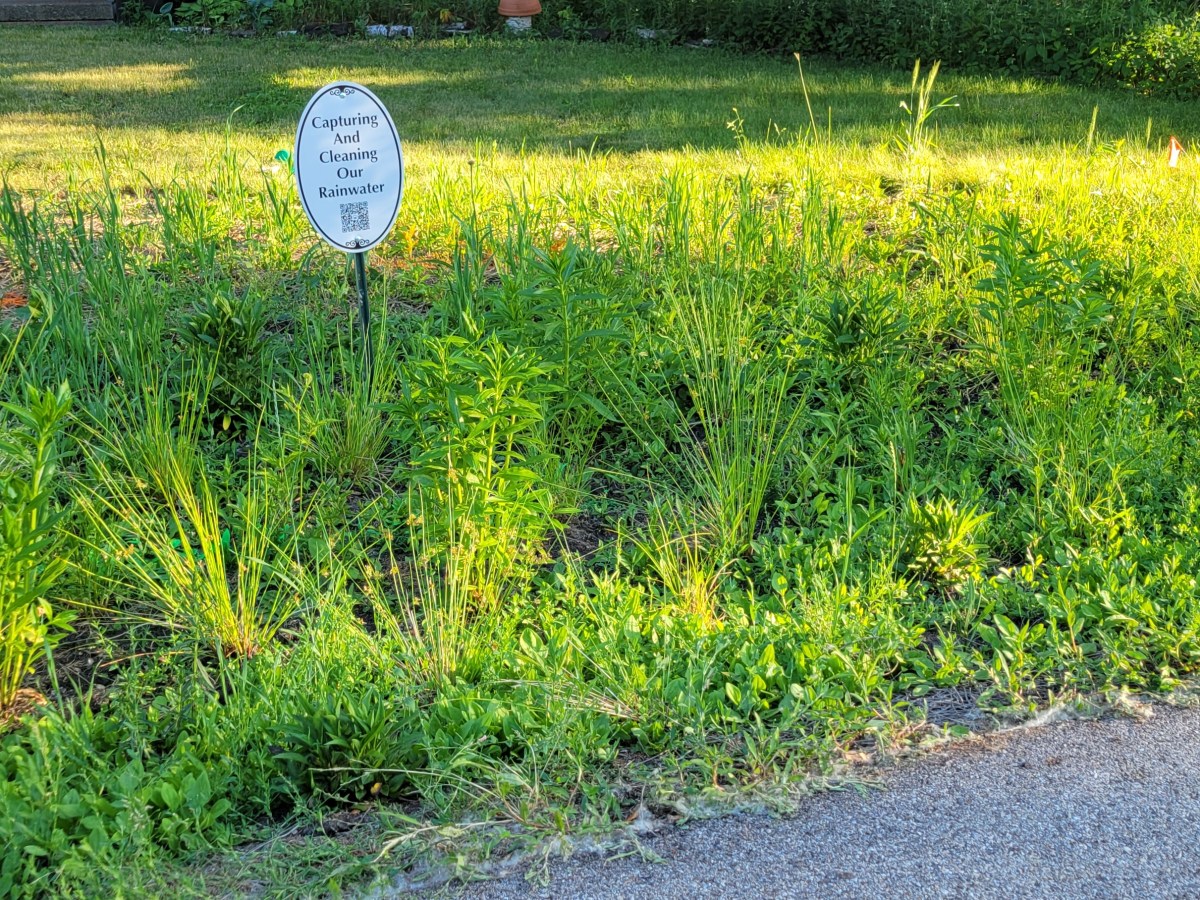
Capture Your Raindrops
Capturing our raindrops where they fall helps reduce stormwater runoff and recharges our groundwater supply. You can do this by creating a green infrastructure or installing a rain barrel to collect and store rainwater to…
Keep reading
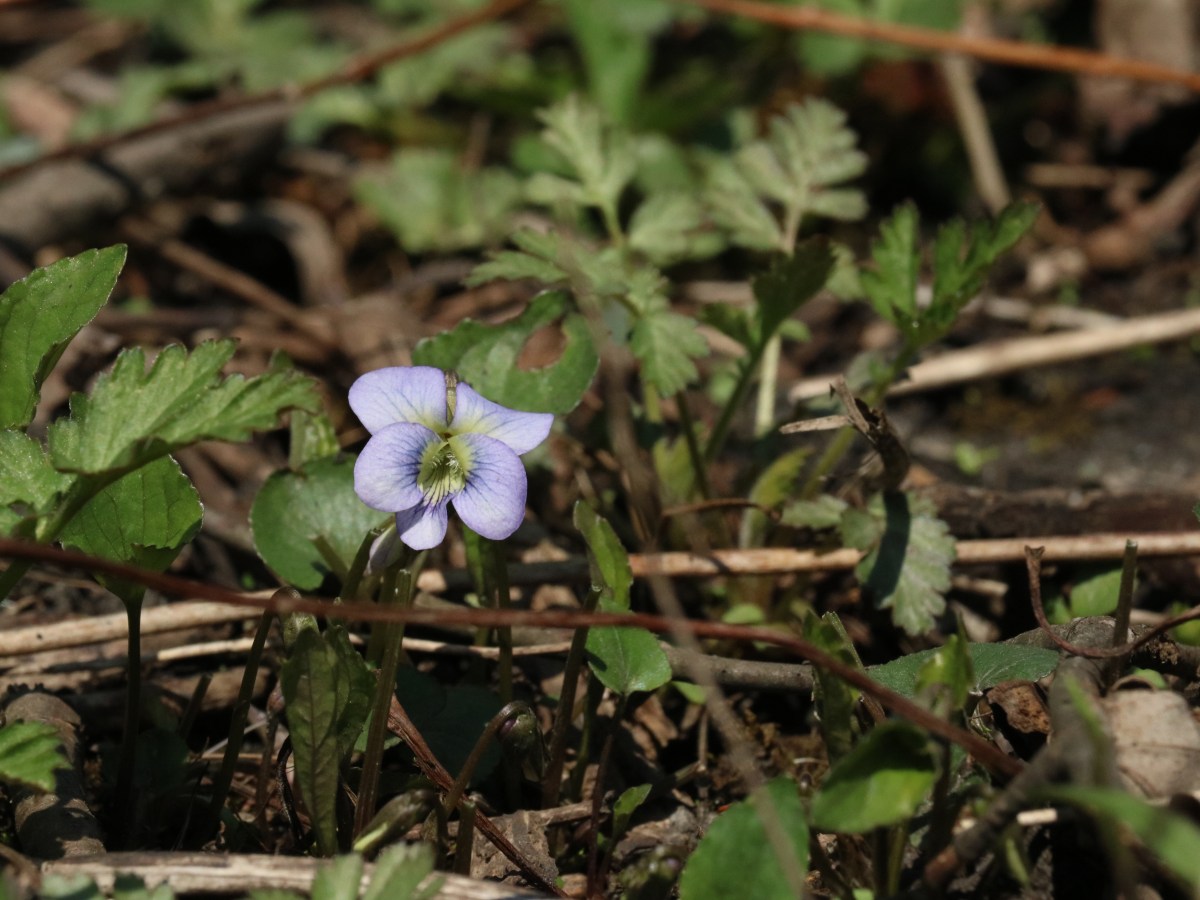
Spring 2023 Sightings and Happenings
As we navigate the transition from winter to spring, when the weather pivots from highs to lows and back again, progress at Aull Nature Preserve (ANP) is forging ahead. Post by Brett Peto and Grace…
Keep reading
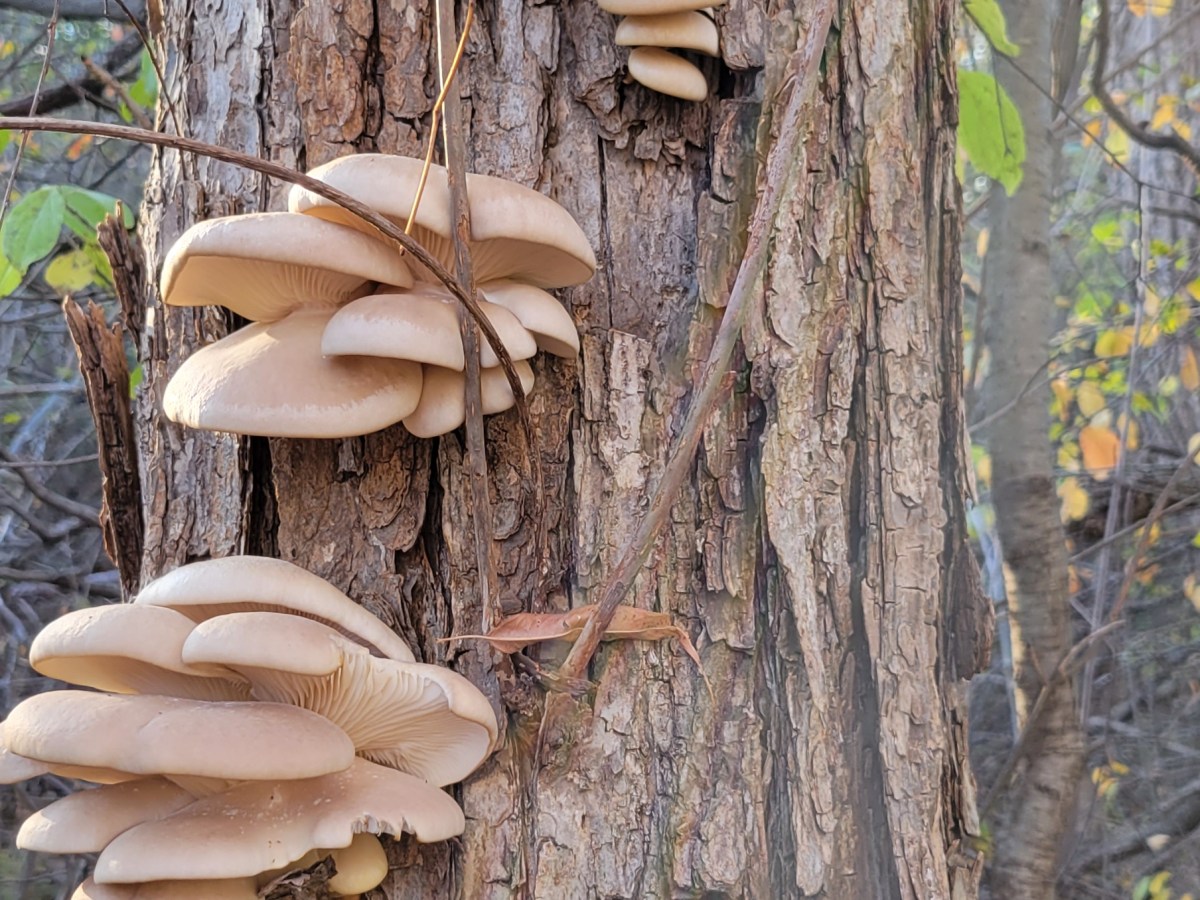
November 2022 Sightings
Guest post by Brett Peto, board of directors, memberOn the sunny Sunday before Thanksgiving, I joined Janice and Gary for a delightful afternoon tour of the Preserve. We entered off the road, walking past an…
Keep reading
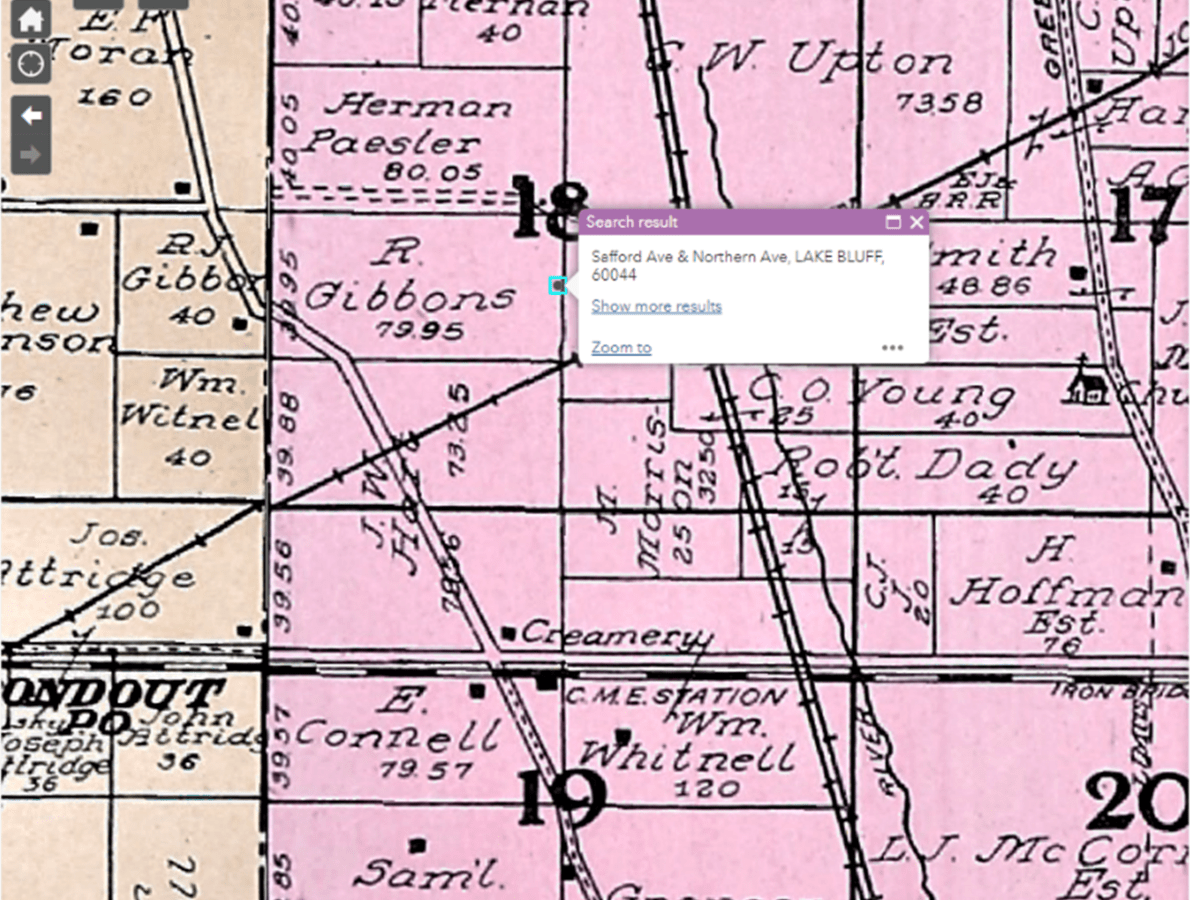
October 2022 Sightings
We spent October learning the history of the property. Key points we discovered:
Keep reading

September 2022 Sightings
September continued to be more ‘doing’ than ‘sighting’. The focus was more on the administrative side; creating and submitting documentation. Efforts were still made to keep the non-natives from going to seed. We did spot…
Keep reading
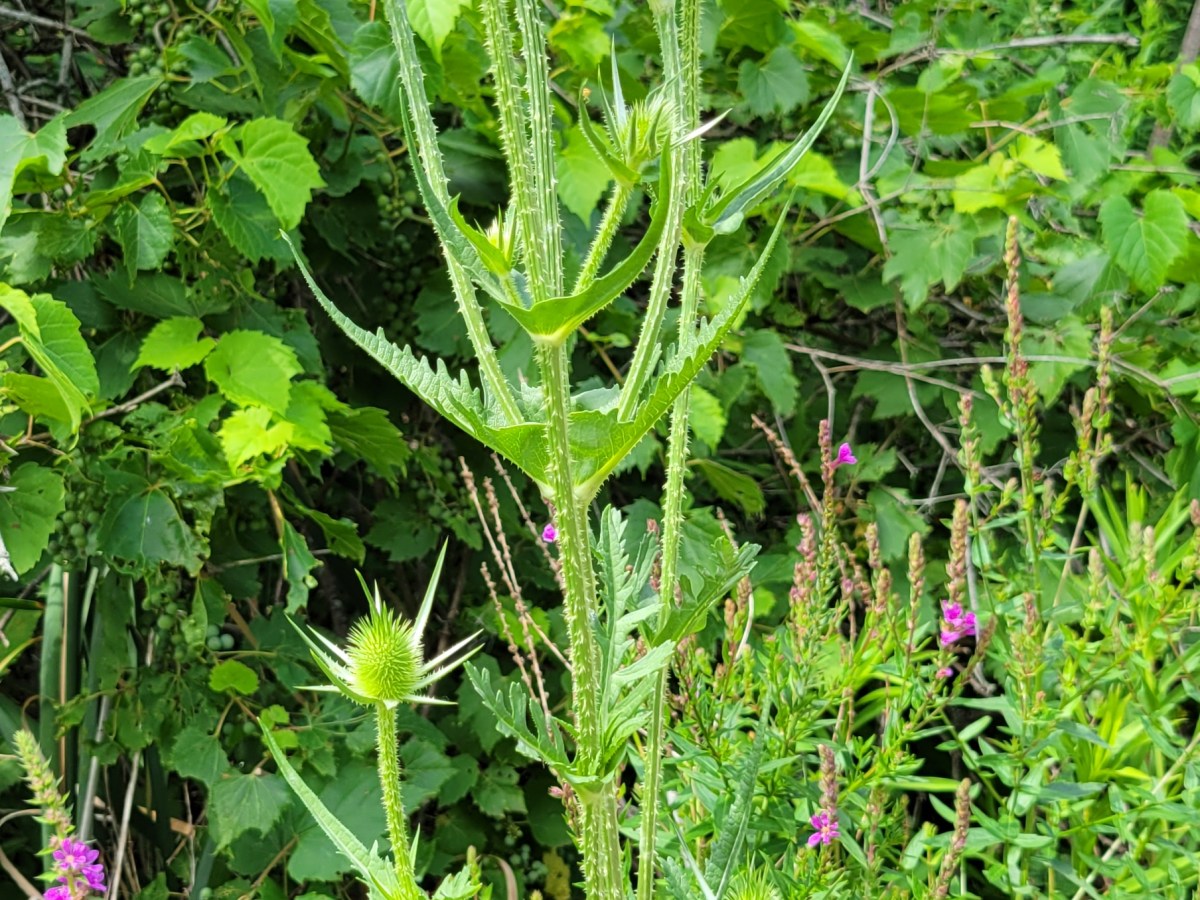
August 2022 Sightings
August has been more of ‘doing’ than ‘sighting’. We have been trying to keep the loosestrife and teasel from going to seed. We have also been cutting the grape vines to keep them from getting…
Keep reading
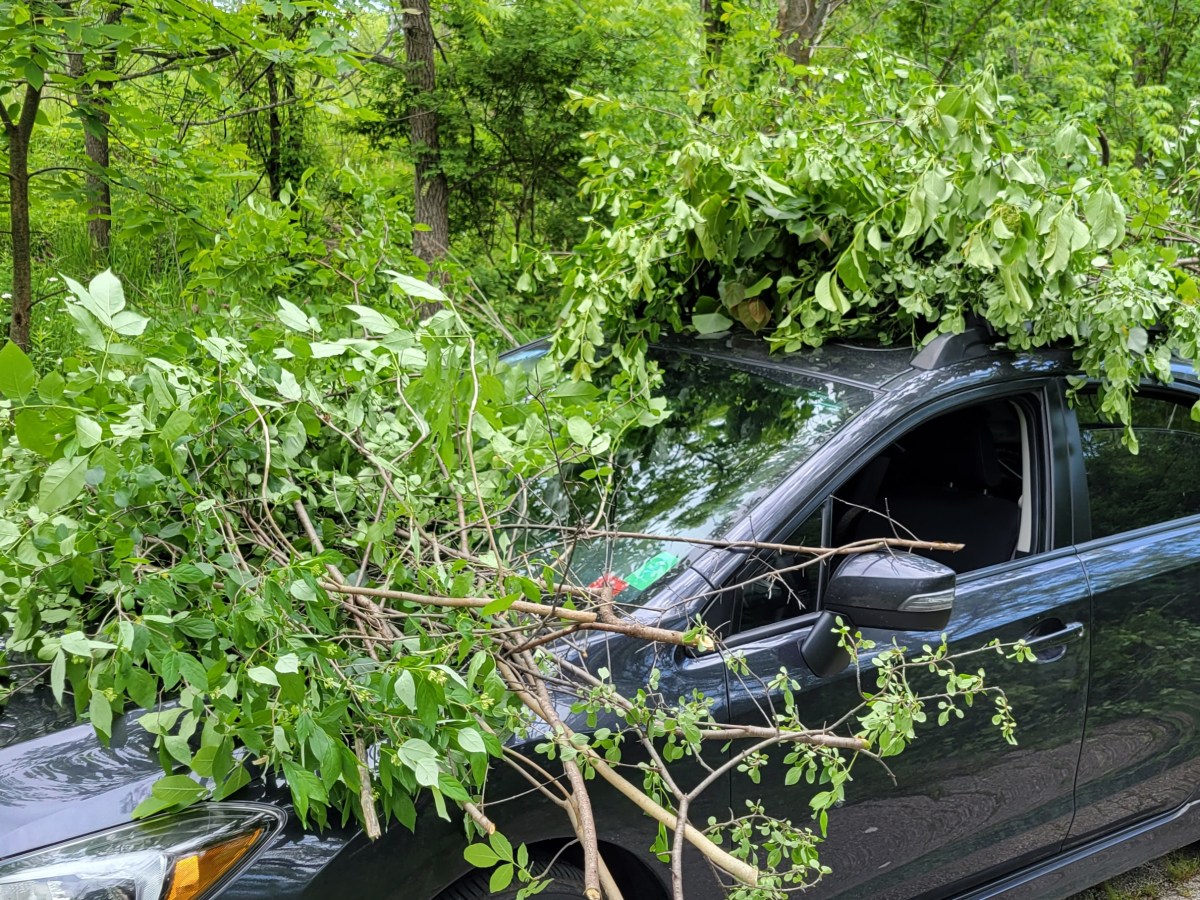
July 2022 Sightings
July ended with the coyotes serenading us with their multiple sounds. It is fun to hear their chorus after a siren goes off. After close to 7″ of rain on July 22, the ponds are…
Keep reading
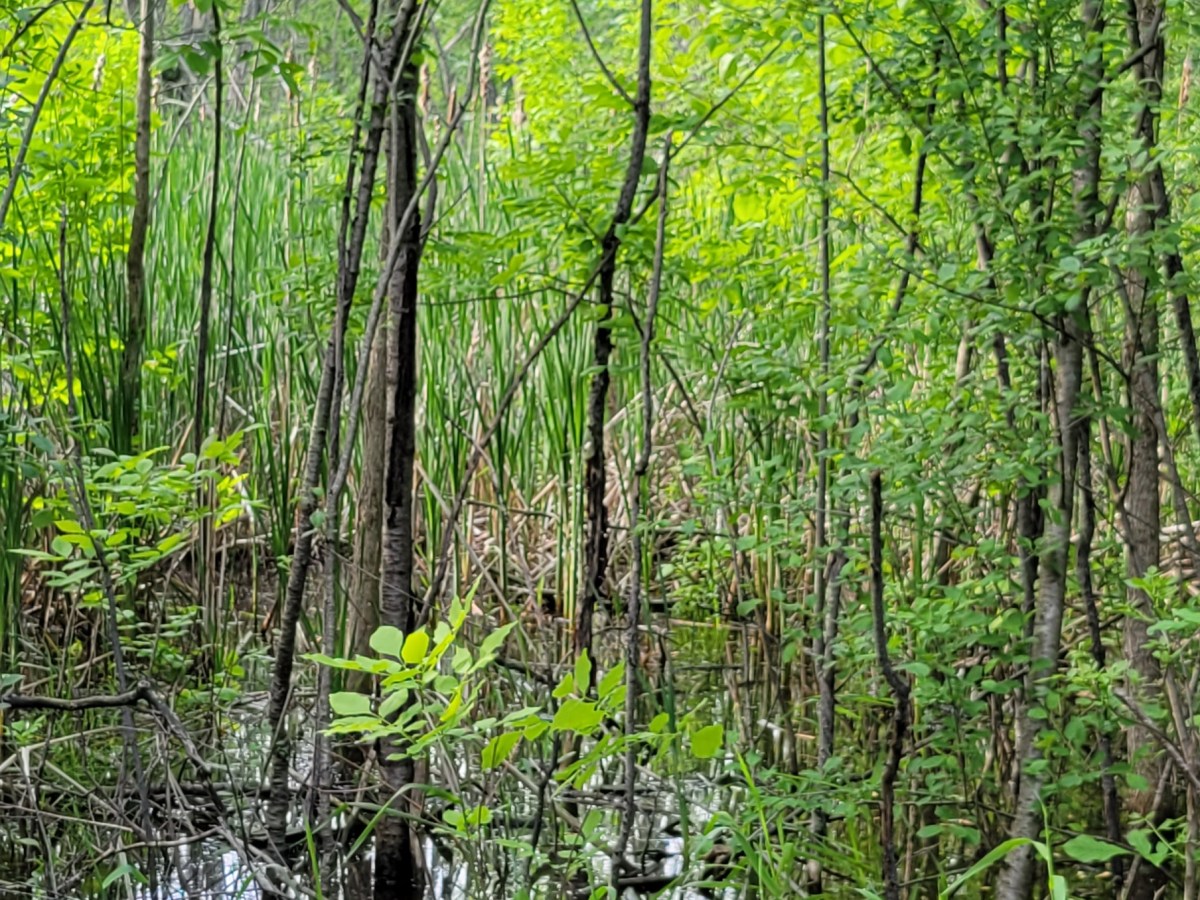
June 2022 Sightings
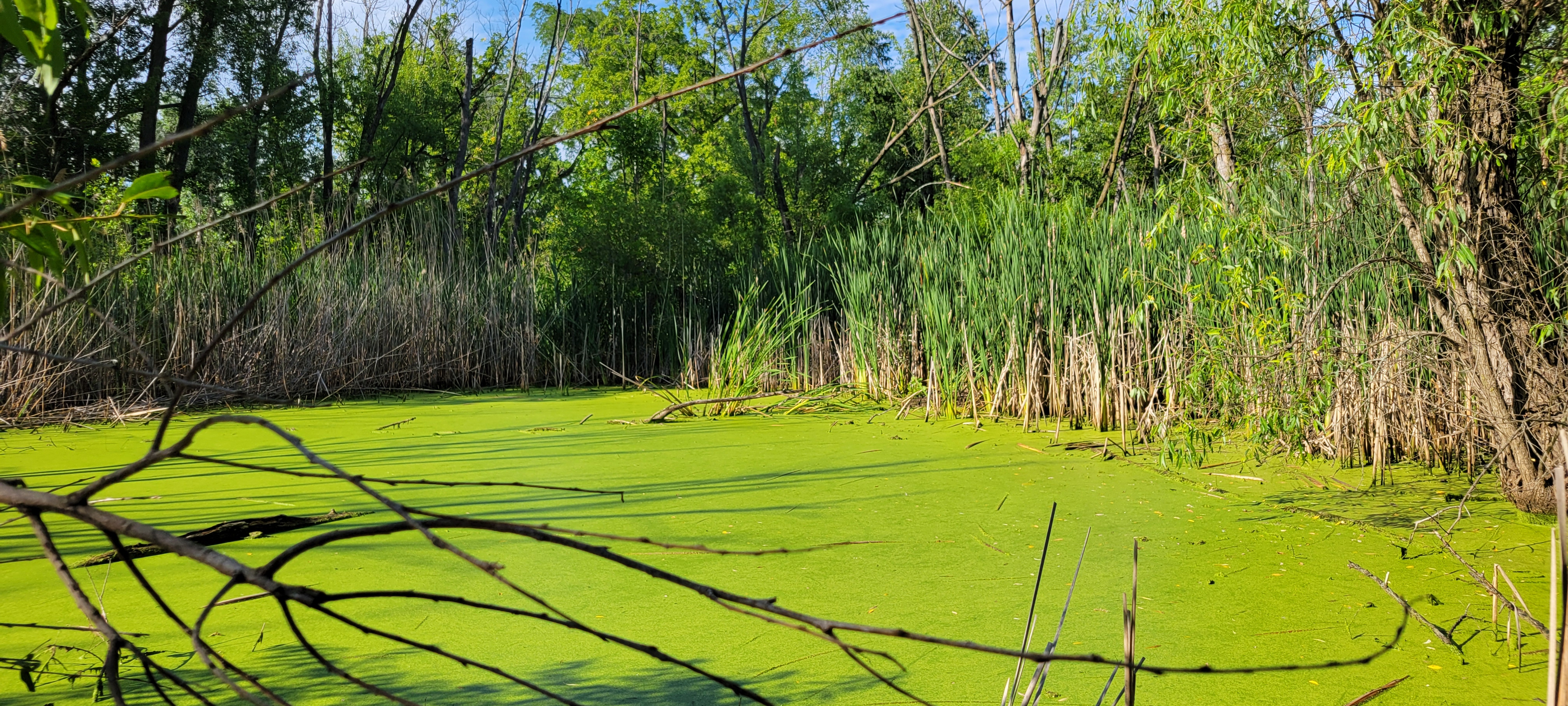
June gave us the opportunity to see the preserve without as much water. Both ponds did get smaller and the main pond has a healthy about of duckweed. It is amazing how fast things grow!…
Keep reading

May 2022 Sightings
May was filled with exciting new discoveries! The water level fluctuated a great deal, however, the main pond stayed stable. We were able to spot at least five Painted Turtles, Wood Ducks, and Duckweed! It…
Keep reading

April 2022 Sightings
April was filled with rain, cold and more rain and cold. We did see a Kinglet, a tiny friendly bird overflowing with energy. It seemed to be just as curious of us as we were…
Keep reading
March 2022 Sightings
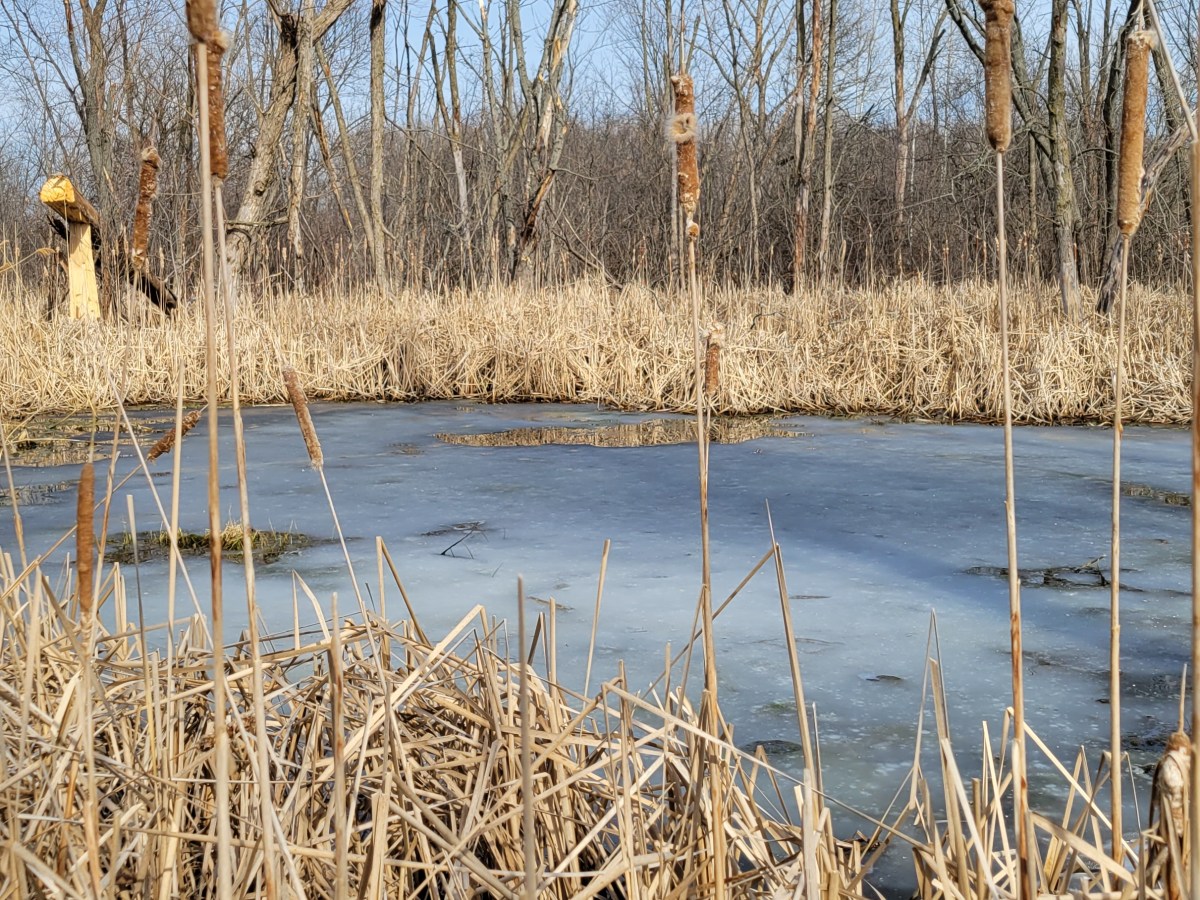
The ice is melting and the water is receding. The red-winged blackbirds returned early in the month. The second week of the month we had a wind storm, causing a large snag in the middle…
Keep reading

February 2022 Sightings
The majority of the preserve is covered with ice. It was fun to walk around the pond. With the warmer weather at the end of the month, we did have to walk lightly. Our exciting…
Keep reading
 Aull Nature Preserve