Post by Janice Aull
Native restoration can be a messy task!
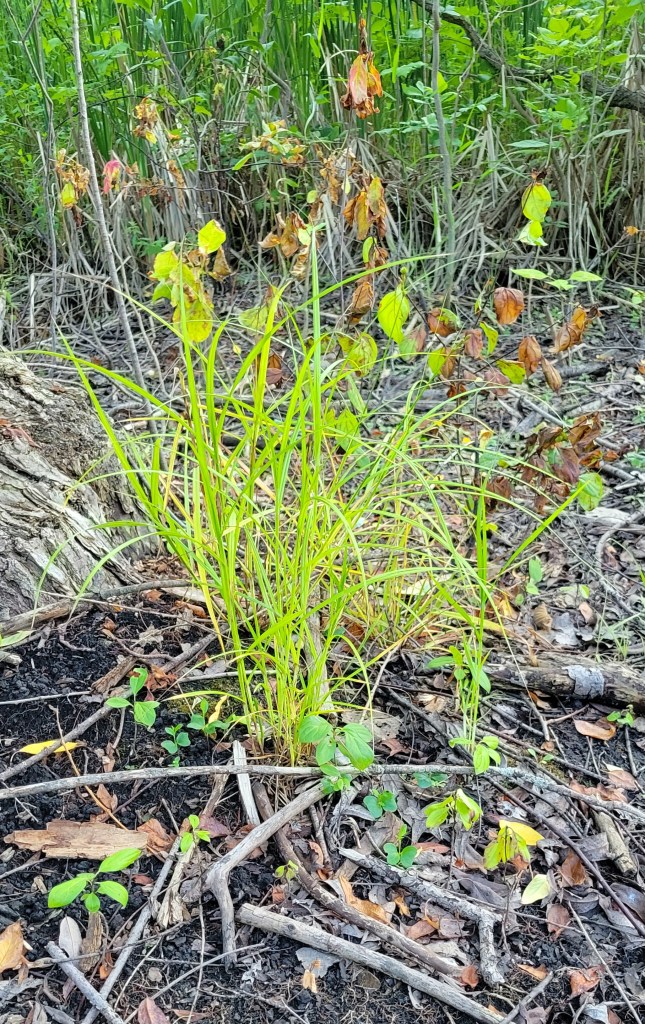
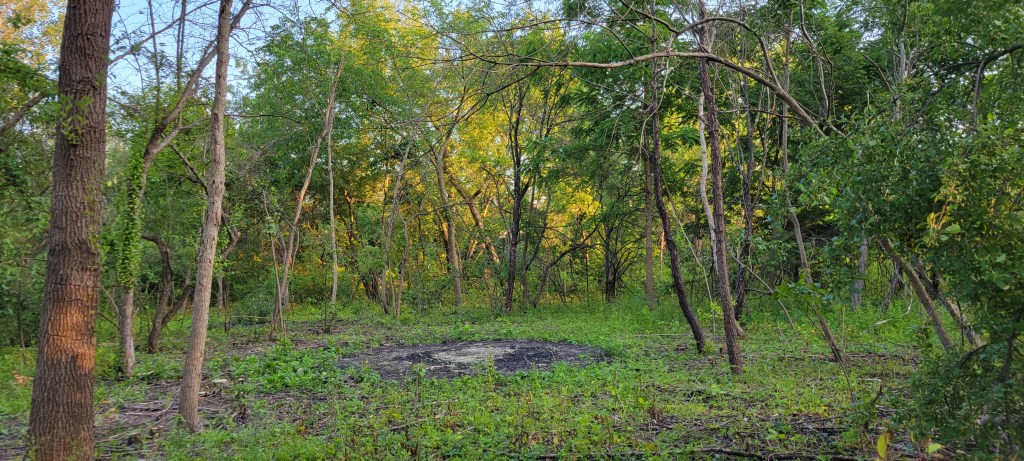

Observing the changes with ANP as we proceed with restoration efforts triggers a wide range of emotions. Some days we’re excited to see the non-natives dying back and the natives trying to thrive. On other days all we see (in our mindset) are the dying or still trying-to-grow buckthorn stumps, they seem to be everywhere!
We keep reminding ourselves that with ecological restoration, changes don’t happen overnight. And sometimes, to create a thriving and diverse habitat for wildlife and for water quality, things get a little messier before they get better. Establishing self-sustaining native ecosystems can take years of hard work and persistence before they take hold, look full and vibrant, and provide long-term benefits which is our ultimate goal.
With this early stage of removing existing invasive plants, it can still be hard to see changes in a place that we have come to know and love as it is. People may appreciate a dense wall of buckthorn for the sense of seclusion it provides or for the chirping birds, we may hear in its thicket. People might be concerned about the wildlife or the nature of the space as we proceed with the restoration.
It is vital that we weigh the limited benefits of invasive species with the larger damage they do to the ecosystem. Robins and other generalist birds will still use areas heavily invaded by buckthorn, but many specialist birds are pushed out. Plus, nests in species like buckthorn and honeysuckle are much more susceptible to predation.
By removing buckthorn, we may temporarily remove some nesting habitat. But our management plans prioritize the growth of shrubs and trees that will provide food sources and nesting habitats for a much larger suite of species.
Recent studies show that yards with greater than 30% invasive plant cover see large declines in native insect populations, resulting in significant declines in bird populations. That means we have the power to make a difference for wildlife right in our own backyards!
By following invasive plant removal guides and buying native seeds and plant material native to your area, you can start to restore a crucial habitat.
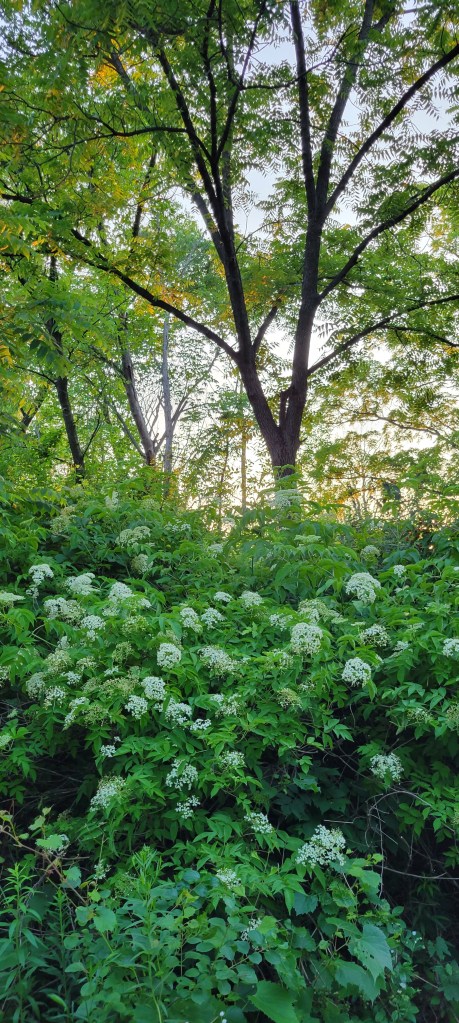
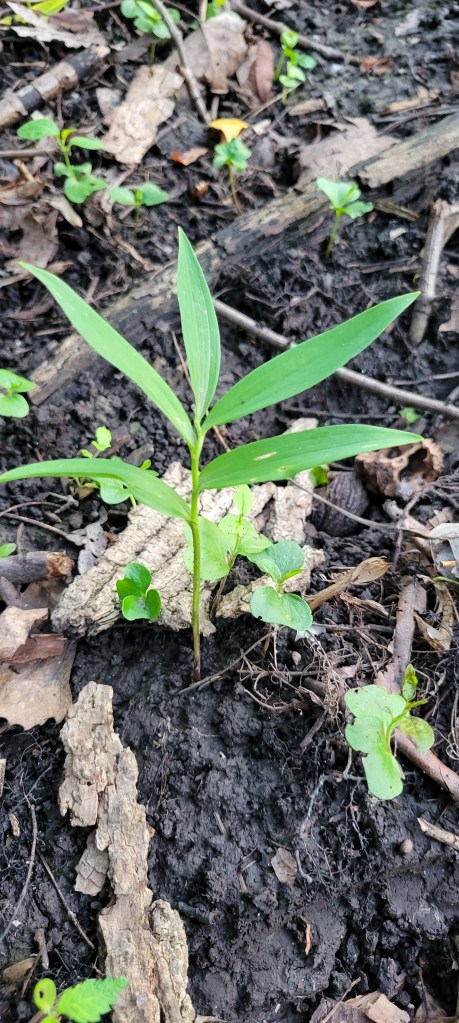
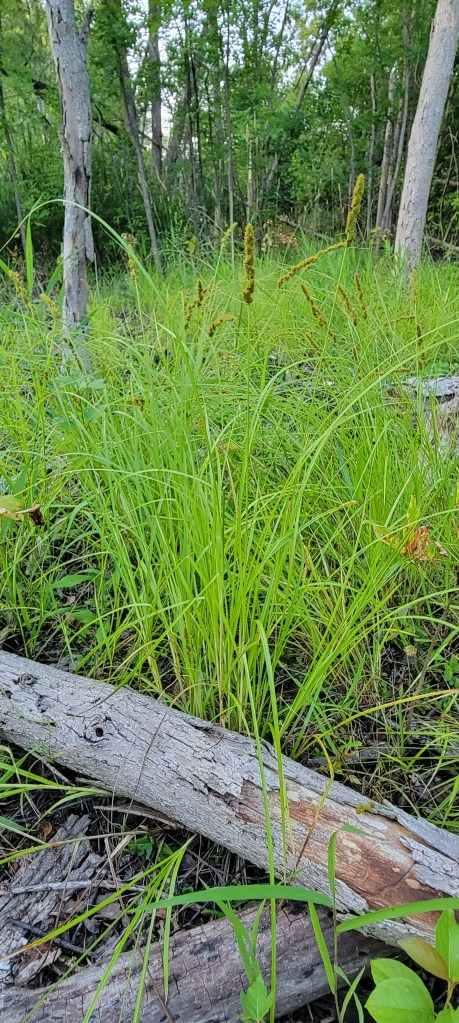
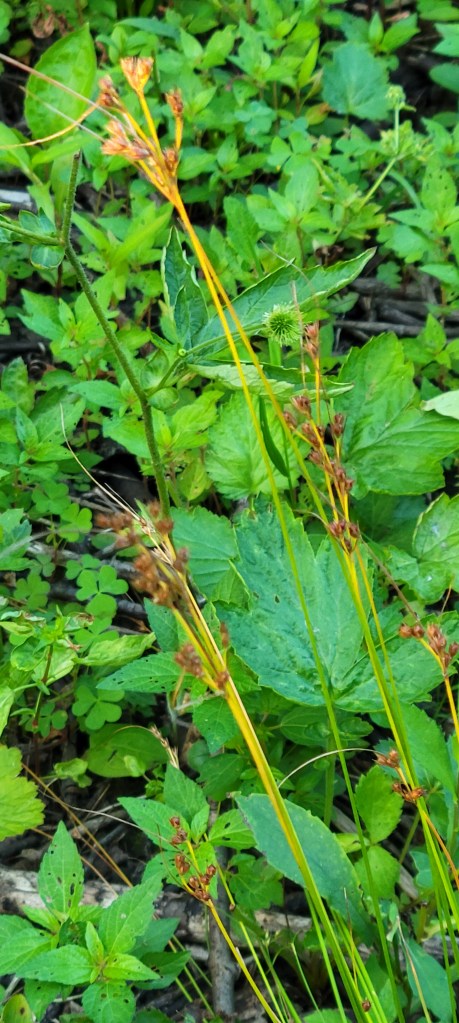
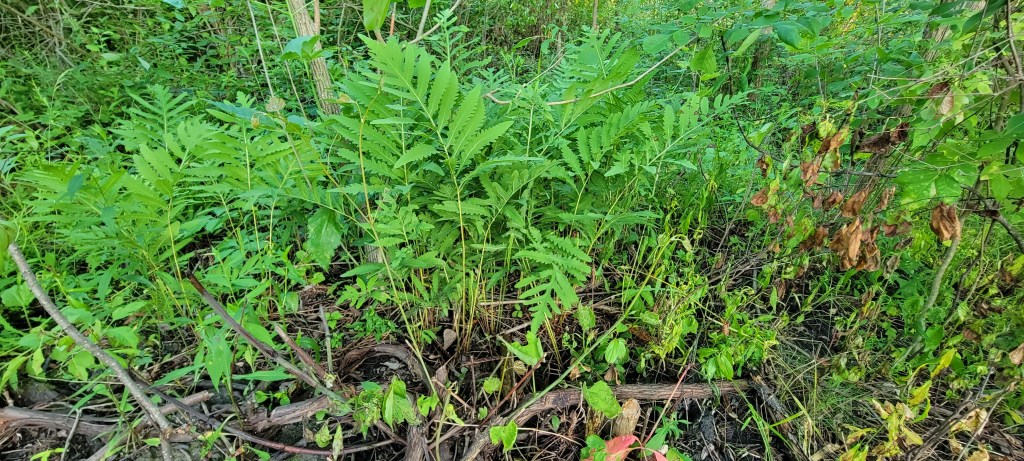
As we explore ANP we marvel and are joyed to see the native sedges, forbs, and shrubs taking advantage of the new open space we have provided for them. We keep our focus on creating a wildlife preserve that provides an opportunity for sustaining plants and animals that were once common throughout our neighborhood.
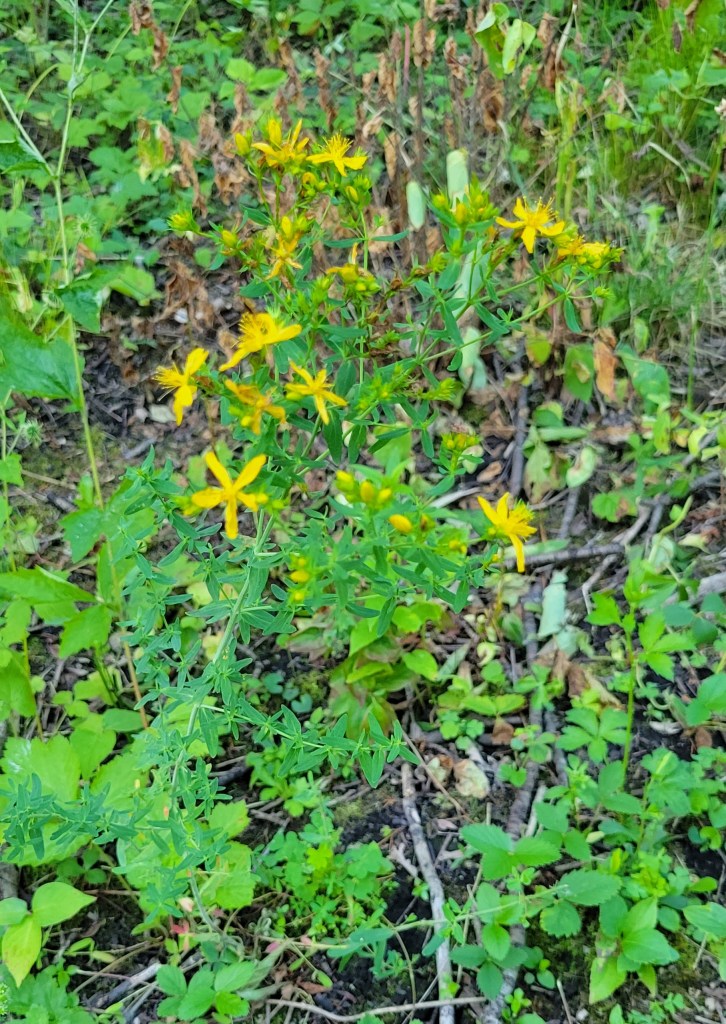
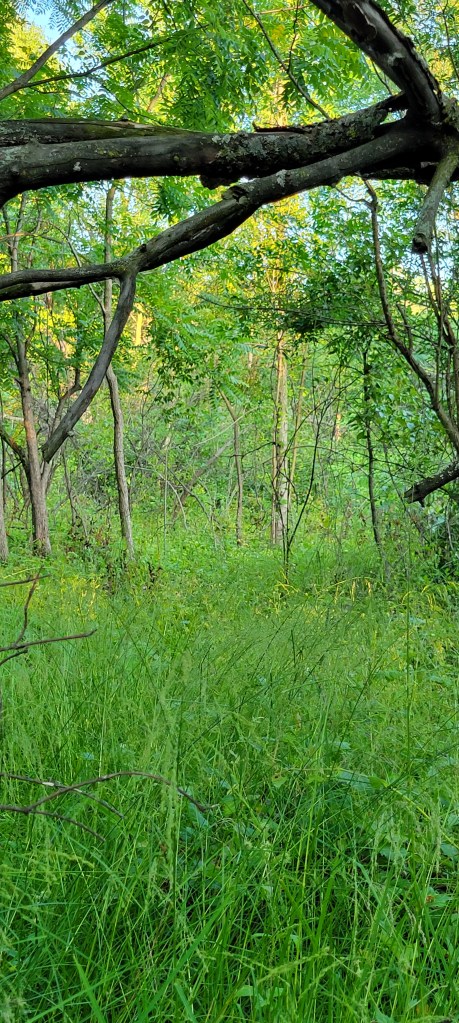
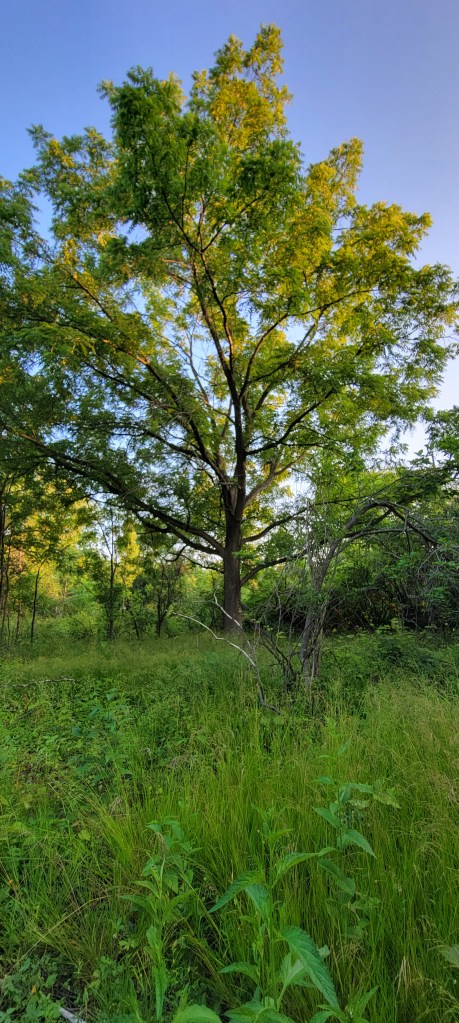
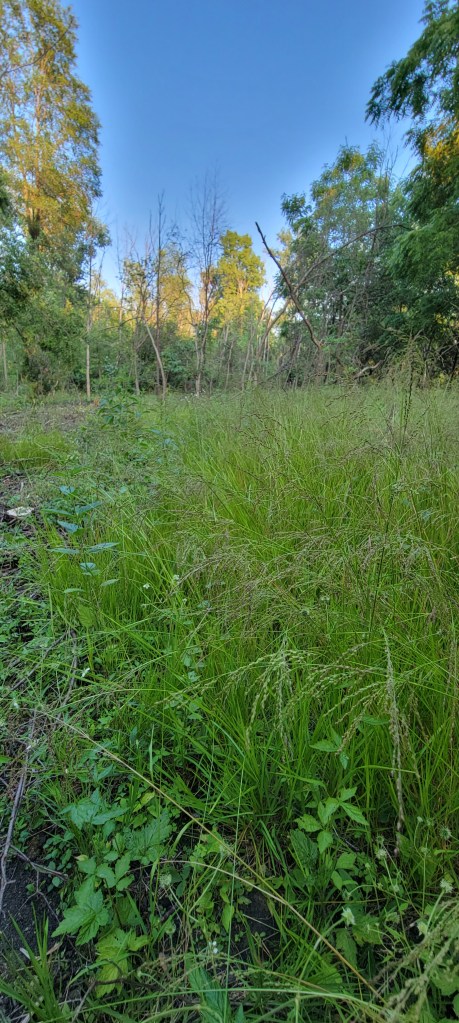
 Aull Nature Preserve